Introduction to Waste-free Consumption (Zero-waste) and Its Importance
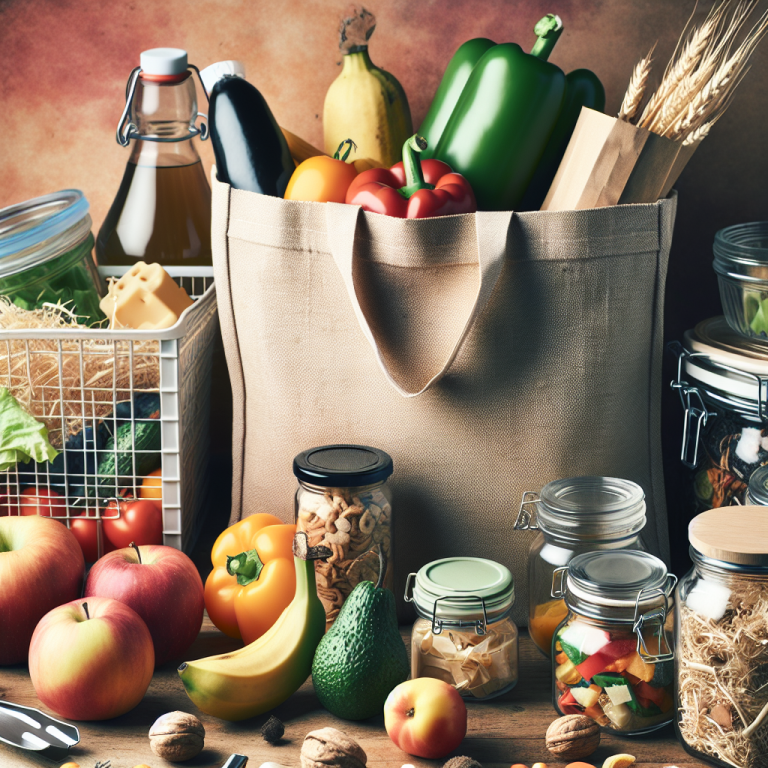
Waste-free consumption, also known as zero-waste, is gradually becoming an important trend in today’s era. This trend not only meets the sustainable consumption needs of humans but also contributes to environmental protection. The increasing awareness of pollution and the negative impact of plastic waste has driven consumers to seek more environmentally friendly alternatives.
The Role of Plastic Packaging in Today’s Supply Chain
Plastic packaging has become an indispensable part of today’s supply chain. From food to consumer products, plastic packaging helps preserve goods, extend shelf life, and facilitates transportation. However, this convenience comes with adverse environmental impacts, especially as the amount of plastic waste continues to rise.
Reasons Driving the Trend to Eliminate Plastic Packaging in Waste-free Consumption
The main reasons driving the trend to eliminate plastic packaging in waste-free consumption include:
- awareness of the environmental impact of plastic packaging
- demand for sustainable consumption and changes in consumption habits
- pressure from the community and non-governmental organizations
Changes in the Supply Chain When Plastic Packaging is Eliminated
When plastic packaging is eliminated from the supply chain, several changes will occur:
Changes in Packaging Materials: From Plastic to Environmentally Friendly Solutions
Businesses will need to transition to using other types of packaging materials such as paper, biodegradable materials, or recycled packaging to align with the waste-free consumption trend. This not only helps reduce waste but also strengthens brand image in the eyes of consumers.
Impact on Production and Transportation Processes
This change also affects production and transportation processes. Businesses will need to adjust technologies and processes to accommodate new packaging materials, which may incur additional costs in the short term but is more sustainable in the long term.
Challenges and Opportunities in Managing Zero-waste Supply Chains
Although transitioning to a zero-waste supply chain offers many opportunities, it also comes with numerous challenges such as high costs, the need to invest in new technologies, and changing consumer habits.
Strategies Implemented in the Supply Chain to Support Waste-free Consumption
Businesses can adopt several strategies to support waste-free consumption, including:
- Developing reusable and recyclable packaging
- Encouraging consumers to participate in packaging exchange programs
- Enhancing education and advocacy about the benefits of sustainable consumption
Case Study: Real Examples of Successful Businesses in Eliminating Plastic Packaging
Many businesses around the world have successfully eliminated plastic packaging. For example, some major brands have transitioned to using packaging made from recycled or biodegradable materials and have seen growth in revenue as well as support from customers.
Conclusion: The Future of Waste-free Consumption and Sustainable Supply Chains
The future of waste-free consumption and sustainable supply chains is becoming increasingly bright as consumers become more aware of environmental issues. This creates a new business environment where innovation and sustainability are prioritized. Businesses need to proactively adapt to survive and thrive in this new era.
Contact us today for tailored consultation!
Intage Vietnam: Your trusted partner for comprehensive and effective market research solutions.
📞 (+8428) 3820 5558
🌐 https://intage.com.vn/
🏢 45 Vo Thi Sau, Da Kao Ward, District 1, Ho Chi Minh City, Vietnam