
Research insights
Eco-Industrial Parks in Vietnam: How to Research What FDI Tenants Need

On this page

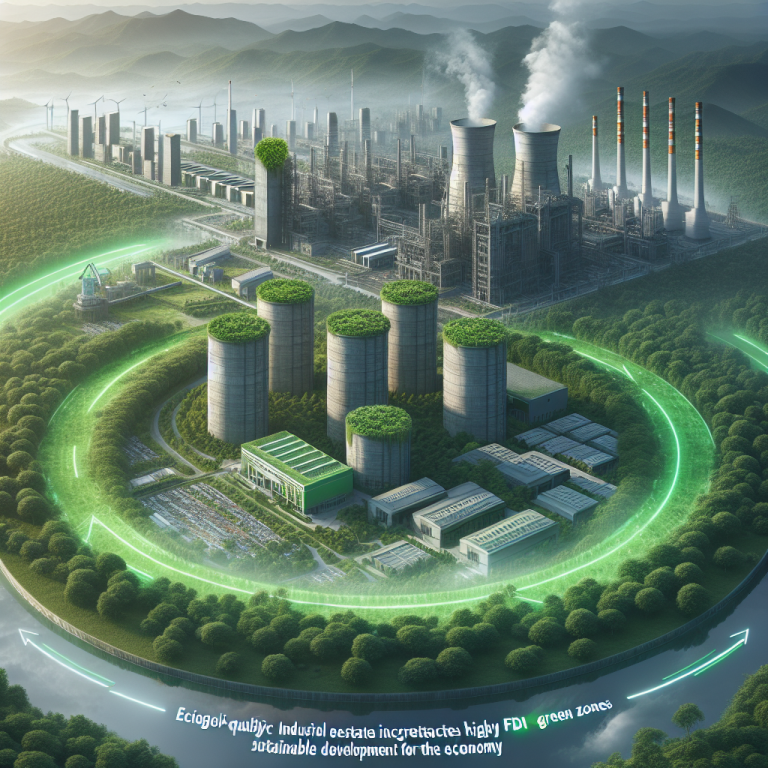
An eco-industrial park is an industrial zone designed so that its tenants use energy, water and materials more efficiently, share infrastructure and reduce waste and emissions together. For park developers and service providers, the practical question is which green features foreign-invested (FDI) manufacturers actually weigh when they choose a location, and how much those features matter next to land, labour and logistics. B2B research with decision makers answers that question before money is spent on facilities.
This article explains the concept and how to research tenant needs. It is not investment, legal or real estate advice.
What is an eco-industrial park?
A conventional industrial park offers land, roads and utilities. An eco-industrial park adds a shared approach to resources and the environment. Typical features include:
- Clean energy: rooftop solar, access to renewable power and energy monitoring.
- Water management: central wastewater treatment, water reuse and rainwater collection.
- Industrial symbiosis: one factory’s by-product or waste heat used as another’s input.
- Green buildings and land use: efficient factory buildings, green space and buffer zones.
- Shared services: waste collection and recycling, environmental reporting support and training.
In Vietnam, the eco-industrial park model is defined in government regulations on industrial parks and economic zones, so developers should check the current legal criteria with qualified advisers.
Why do FDI manufacturers look at green features?
Many multinational manufacturers have to report on energy use and emissions to their head office, customers or investors, and some buyers ask suppliers to show progress on these topics. A location that makes it easier to use clean power, treat water and report on environmental performance can reduce that burden. At the same time, green features are only one factor in a site decision. Research should show where they sit in the list of priorities for each type of tenant.
What should developers and service providers measure?
| Business question | What to measure | Method |
|---|---|---|
| How do tenants choose a location? | Decision steps, people involved and criteria ranked by importance | In-depth interviews with decision makers |
| Which green features matter? | Importance of renewable power, water reuse, reporting support and certification | B2B survey, trade-off questions |
| What would they pay for? | Acceptance of service fees or premium rent for specific features | Survey with price and package tests |
| How do they see competing parks? | Awareness, image and perceived strengths of each park | Brand perception survey |
| Are current tenants satisfied? | Satisfaction with utilities, services and park management | Tenant satisfaction survey |
How do you research FDI tenant needs in Vietnam?
- Write a clear brief. Define which decision the research supports, for example which green services to build first. Our guide on writing a market research brief covers the basics.
- Interview decision makers. In-depth interviews with plant managers, regional directors and sustainability or EHS managers reveal how a site is chosen and who has a say.
- Quantify priorities. A B2B survey ranks criteria and tests packages of green services. B2B samples are small and hard to reach, so plan the sampling approach and recruitment carefully.
- Listen to current tenants. A satisfaction survey shows which services work and which need improvement, and gives evidence that prospective tenants trust.
- Review secondary sources. Public regulations, industry reports and park information help frame the questions, but should be checked for date and scope.
What are common mistakes?
- Asking only one person per company. Site decisions often involve head office, regional management and local teams with different priorities.
- Asking about “green” in general. Ask about specific features, the conditions attached and the price.
- Treating stated interest as demand. Interest in a feature does not mean a tenant will pay for it. Use trade-off and price questions and confirm with pilot uptake.
- Ignoring existing tenants. Their experience is the best test of whether green services work in practice.
How do you act on the findings?
Use the results to decide which green services to offer first, how to package and price them, and which tenant segments to target. Write marketing messages around the specific needs found in interviews, such as reporting support or reliable clean power, rather than general sustainability claims. Track tenant satisfaction after the services launch.
FAQ
What is the difference between an eco-industrial park and a regular industrial park?
An eco-industrial park adds shared systems for energy, water, waste and materials so that tenants reduce their environmental impact together, while a regular park mainly provides land and basic utilities.
Who should be interviewed in B2B research on industrial locations?
Include the people who shape the site decision: regional or country managers, plant managers, and sustainability or EHS managers, plus current tenants of the park.
Can a survey show what tenants will pay for green services?
A survey with price and package questions gives a useful estimate, but results should be checked against real uptake in a pilot.
Plan your B2B research
INTAGE Vietnam is a market research company in Vietnam and part of the INTAGE Group, Japan. We run in-depth interviews, B2B surveys and satisfaction studies that help businesses understand their customers’ decisions. See our market research services or contact us to discuss a study.
Related reading

Latest posts
- Market Research: Building a Market Research Report for Investment Funds
 Survey Sample Size: How Many Respondents Are Enough?
 Survey Data Collection Methods in Vietnam: How to Choose
- Technology Adoption in Enterprises: How to Research Employee Behavior
 How to Write a Market Research Brief for an Accurate Quote

