
Research insights
Organic Food Consumption in Major Cities: What to Research

On this page
Organic food consumption in major cities is driven mainly by concerns about food safety, interest in healthier eating and wider availability in supermarkets and online stores, while price and doubts about authenticity hold many shoppers back. For producers and retailers, the useful questions are who buys organic, which categories they buy, how often, and what would make occasional buyers buy more. Research that combines shopper interviews, surveys and purchase data answers these questions.
What is driving interest in organic food in cities?
Shoppers who choose organic food usually give several reasons at once:
- Concern about pesticide residues and food safety.
- Wanting cleaner food for the family, especially young children.
- Interest in the environment and farming methods.
- Easier access through supermarkets, specialty stores and online platforms.
Stated interest does not always turn into regular buying. Many urban households buy organic for a few items, such as vegetables or baby food, and conventional products for the rest of the basket. Understanding this partial behaviour is the starting point for growth.
Who buys organic food?
Typical buyers mentioned in the market include urban families with young children, health-conscious young professionals and higher-income households. These are assumptions to test, not facts to rely on. Buyer profiles differ by category and city, and some occasional buyers come from groups that brands overlook. A survey or shopper panel data can show who actually buys and how much of their spending goes to organic products.
What holds shoppers back?
- Price: organic products usually cost more than conventional ones.
- Trust: shoppers may doubt whether a product is genuinely organic, especially without a certification they recognise.
- Availability and variety: limited range in nearby stores makes regular buying hard.
- Freshness and appearance: some organic produce looks less uniform or has a shorter shelf life.
What should you measure?
| Business question | What to measure | Method |
|---|---|---|
| Who buys organic, and how often? | Penetration, purchase frequency, categories bought, buyer profile | Shopper panel, survey |
| Why do they buy, or not? | Motivations, barriers, meaning of “organic” to shoppers | In-depth interviews, focus groups |
| Which labels and claims do they trust? | Recognition and trust of certifications, traceability information | Survey, packaging test |
| How much more will they pay? | Price acceptance by category and pack size | Survey with price questions |
| Where do they buy? | Channel share: supermarkets, specialty stores, online, subscription | Shopper panel, survey |
How can you research organic food buyers in Vietnam?
- Explore with qualitative research. Focus groups and in-home visits show what shoppers mean by “organic”, “clean” or “safe”, how they check products and where trust breaks down.
- Quantify with a survey. Measure awareness, trust in labels, barriers and price acceptance. Write questions that avoid leading answers; a bias-free questionnaire matters because people tend to overstate healthy choices.
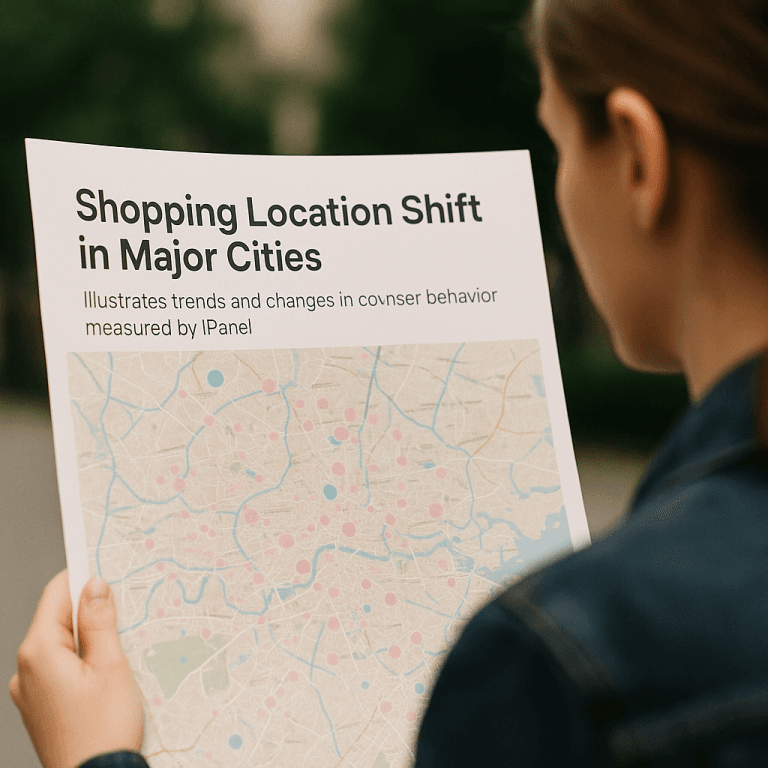
- Use purchase data. A shopper panel such as i-Panel, where shoppers record purchases by photographing receipts and scanning barcodes, shows actual penetration, frequency and channel, rather than stated intentions.
- Test packaging and claims. Check which labels, certification marks and traceability information make shoppers more confident before you print them.
Why is stated preference not enough?
When asked, many people say they prefer organic or safe food. At the shelf, price, habit and availability often win. Asking about recent purchases, testing real prices and checking against purchase data help close the gap between what people say and what they do.
What are common mistakes?
- Assuming all buyers are committed. Most growth often comes from occasional buyers; study them separately.
- Using “organic” loosely. Shoppers mix organic, natural and clean. Define terms in the questionnaire.
- Ignoring trust. Without credible certification and clear traceability, price cuts may not be enough.
- Making health claims. Communication should stay within what regulations and evidence allow.
How do you act on the findings?
Use the results to decide which categories to lead with, which certification and traceability information to show, what pack sizes and price points to offer, and which channels to prioritise. Then track purchase behaviour to see whether occasional buyers start buying more often.
FAQ
Why do urban consumers buy organic food?
The most common reasons are food safety concerns, wanting cleaner food for the family, environmental interest and easier access in stores and online. Research shows which reason matters most for your category.
What is the main barrier to buying organic food?
Price is usually mentioned first, followed by doubts about authenticity and limited availability. The balance differs by category and shopper group.
How do you measure real organic food purchases?
Use purchase data, such as a shopper panel or retail sales data, alongside surveys. Surveys explain attitudes; purchase data shows what shoppers actually buy.
Research organic food shoppers
INTAGE Vietnam is a market research company in Vietnam and part of the INTAGE Group, Japan. We help producers and retailers understand food shoppers with qualitative research, surveys, packaging tests and shopper panel data. See our market research services or contact us to plan a study.
Related reading
Latest posts
- Effective M&A (Mergers & Acquisitions) Opportunity Research
- Market Research: Building a Market Research Report for Investment Funds
 Survey Sample Size: How Many Respondents Are Enough?
 Survey Data Collection Methods in Vietnam: How to Choose
- Technology Adoption in Enterprises: How to Research Employee Behavior

