
Research insights
How Rising Fuel Prices Change Consumer Behavior: What to Track

On this page
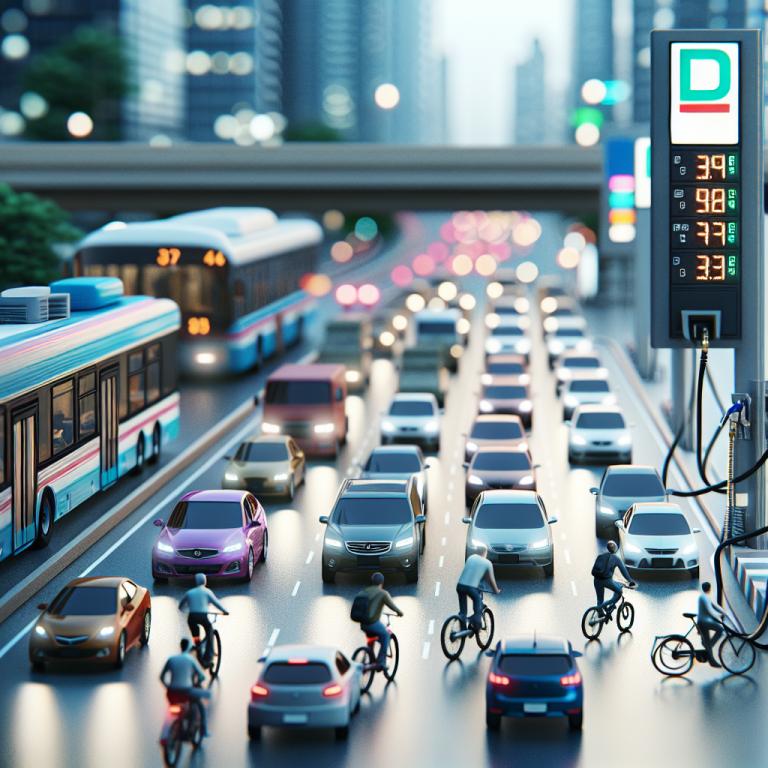
When fuel prices rise, households often adjust how much they travel, how they travel and how they spend the rest of their budget. For businesses, the effect can show up as fewer store trips, a shift to nearby stores or online orders, smaller or larger baskets, and changes in demand for vehicles and transport services. Because responses differ by household, city and income, the reliable way to understand them is to track actual behaviour over time rather than assume a single reaction.
How do households respond to higher fuel prices?
Common responses described in consumer research and in everyday observation include:
- Travelling less: combining errands into one trip and cutting non-essential journeys.
- Changing mode: using public transport, ride-hailing, cycling or walking more often, where these options exist.
- Considering other vehicles: looking at more fuel-efficient or electric motorbikes and cars.
- Reallocating the budget: spending less on leisure or non-essential items to cover transport costs.
- Changing where they shop: choosing closer stores or ordering online instead of making a trip.
Not every household responds the same way. People who rely on a motorbike or car for work have less room to cut travel, while others can change routines more easily. Lower-income households usually feel the pressure on the rest of their budget more.
Why does this matter beyond the transport sector?
Fuel is a recurring cost, so a price change can affect many other spending decisions. Retailers may see changes in visit frequency and store choice. Delivery and logistics costs can rise and affect prices. Vehicle makers, dealers, ride-hailing and public transport providers face changes in demand. Consumer goods brands may see households trade down or switch pack sizes. Knowing which of these effects apply to your business helps you prepare instead of reacting late.
What should you measure?
| Business question | What to measure | Method |
|---|---|---|
| Are travel habits changing? | Trips per week, purpose of trips, transport mode used | Tracking survey, travel diary |
| Are shopping trips changing? | Shopping frequency, store type, basket size, online share | Shopper panel, survey |
| What are households cutting? | Categories reduced, trading down, switching brands or pack sizes | Shopper panel, survey |
| Is interest in other vehicles growing? | Consideration of electric or fuel-efficient vehicles, barriers | Survey, in-depth interviews |
| How do different groups cope? | Responses by income, city, occupation and vehicle use | Segmented survey analysis |
How can you research the effect of fuel prices in Vietnam?
- Set a baseline. Measure travel and shopping behaviour before or early in a price change, so later changes can be compared against it.
- Use a tracking design. Repeat the same questions with comparable samples at regular intervals. A one-off survey cannot show change. Choose a sampling approach that covers the cities and income groups you care about.
- Combine stated and actual behaviour. Surveys explain why people change. Purchase data from a shopper panel such as i-Panel shows whether shopping frequency, channel and basket really changed.
- Add qualitative depth. In-depth interviews with households in different situations show the trade-offs behind the numbers, such as which trips are protected and which are cut first.
- Separate fuel from other factors. Prices of other goods, income changes and seasonal patterns also move behaviour. Compare groups and periods carefully before attributing a change to fuel prices.
What are common mistakes?
- Asking hypothetical questions only. “What would you do if fuel prices rose?” tends to overstate change. Ask about recent behaviour.
- Measuring once. Behaviour may change slowly or return to normal; tracking is needed.
- Treating all households as one group. The effect depends on income, work and access to alternatives.
- Attributing every change to fuel. Other price and income changes often happen at the same time.
How do you act on the findings?
Retailers can review store formats, delivery options and promotion timing. Brands can check whether pack sizes and price points still fit stretched budgets. Transport and vehicle businesses can adjust offers to the groups most likely to switch. Keep tracking so plans can be updated as behaviour settles.
FAQ
How do rising fuel prices affect shopping behaviour?
Households may make fewer trips, shop at closer stores or online, and cut or trade down in some categories. The size of the change differs by household and should be measured with tracking data.
Which households are most affected by fuel price changes?
Households that depend on a vehicle for work and lower-income households usually have the least room to adjust. A segmented survey shows which groups matter for your business.
How can a business track changes in consumer behaviour?
Repeat a consistent survey over time and combine it with purchase data. This shows both what people do and why they do it.
Track consumer behaviour with INTAGE
INTAGE Vietnam is a market research company in Vietnam and part of the INTAGE Group, Japan. We help businesses track changes in consumer and shopper behaviour with surveys, in-depth interviews and shopper panel data. See our market research services or contact us to plan a study.
Related reading


Latest posts
- Market Research: Building a Market Research Report for Investment Funds
 Survey Sample Size: How Many Respondents Are Enough?
 Survey Data Collection Methods in Vietnam: How to Choose
- Technology Adoption in Enterprises: How to Research Employee Behavior
 How to Write a Market Research Brief for an Accurate Quote

