

Research insights
Diet Trends and Functional Foods: How to Research Consumer Demand

On this page
Diet trends such as low-sugar, high-protein, plant-based and gut-health eating shape what people look for in functional foods. For a food or beverage business, the key question is which trend is a lasting shift in behaviour and which is a short-lived fad. Consumer research answers it by separating what people say about diets from what they actually buy and keep buying.
This article is about market research. It is not health, nutrition or regulatory advice.
What are functional foods and how do diet trends affect them?
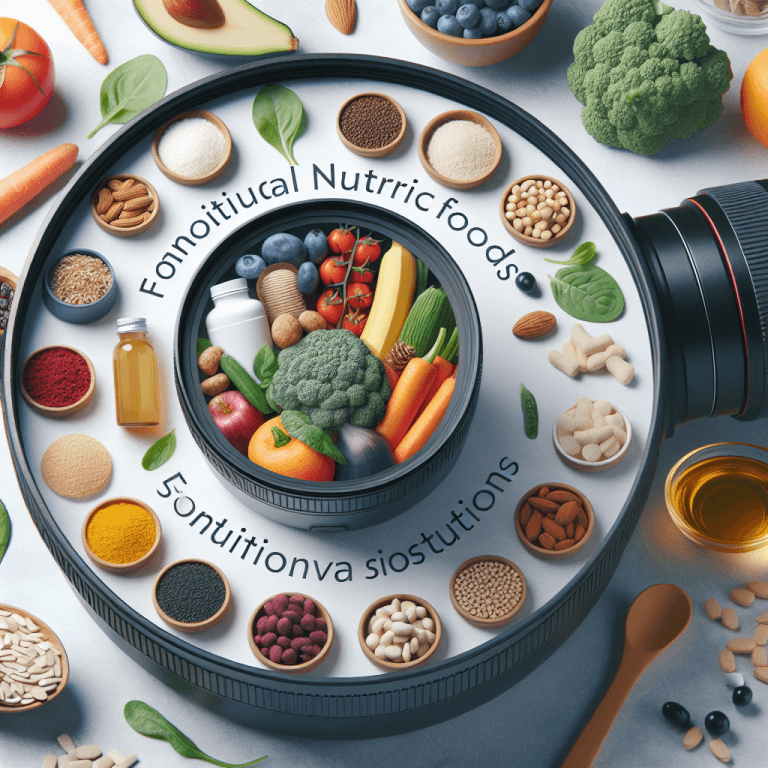
Functional foods are everyday foods and drinks positioned around a benefit beyond basic nutrition, for example products with added protein, fibre or probiotics, or with less sugar. Diet trends influence this market because people who follow a diet look for products that fit it: a high-protein snack for someone who trains, a low-sugar drink for someone cutting sugar, a plant-based option for someone eating less meat.
Common diet patterns that brands track include:
- Low-sugar and low-carb eating
- High-protein eating linked to fitness
- Plant-based and vegetarian eating
- Calorie-conscious eating and meal timing
- Eating focused on digestion and gut health
What opportunities and risks do diet trends create?
A diet trend can open room for new products, new pack sizes or reformulated versions of existing products. The risk is that some trends fade quickly, so a business that invests heavily in a new line may be left with products few people still want.
Other risks are practical. Health and nutrition claims are regulated in Vietnam, so what a product can say on pack and in advertising must be checked before launch. Many consumers are also sceptical of strong promises, and taste and price remain common reasons not to buy, or not to buy again.
What should you measure?
| Business question | What to measure | Method |
|---|---|---|
| Who follows the diet, and why? | Share of the target group following each diet, motivations, how strictly they follow it | Survey, in-depth interviews |
| What do they eat and drink today? | Current products, occasions, unmet needs | Usage and attitude (U&A) study, diaries |
| Will the new product appeal? | Concept appeal, believability of the benefit, intent to buy | Concept test |
| Does it taste good enough? | Liking, taste versus current product, intent to repurchase | Product test (CLT or HUT) |
| Is the trend lasting? | Penetration and repeat purchase of related products over time | Shopper panel, sales data |
How can you research a diet trend in Vietnam?
- Understand motivations first. Qualitative research such as focus groups or in-depth interviews shows why people start and stop a diet, what they replace, and what would make a product fit their routine.
- Size the opportunity with a survey. A quantitative survey measures how many people in the target group follow a diet and how strictly. A clear research brief helps define the target group and the decisions the results must support.
- Test concepts and products. Check whether the benefit is understood and believed, and use a CLT or HUT to confirm taste, since a healthy product that people do not enjoy is rarely bought twice.
- Check real purchase behaviour. Data from i-Panel, INTAGE Vietnam’s shopper panel in which individual shoppers record purchases by photographing receipts and scanning barcodes, shows whether interest turns into purchase and repeat purchase.
How do you tell a lasting trend from a fad?
Look for signs that behaviour has changed, not only conversation. A lasting trend usually shows steady growth in the number of buyers of related products, repeat purchase among those buyers, and spread beyond a small early group. A fad often shows a sharp rise in attention followed by low repeat purchase. Tracking the same measures over several periods is more reliable than a single survey.
What are common mistakes?
- Relying on online buzz. Social media attention does not show how many people buy.
- Testing the concept without the taste. A strong benefit cannot make up for a product people do not like.
- Overstating the benefit. Exaggerated claims reduce trust and can breach regulations.
- Measuring trial only. Repeat purchase shows whether the product fits the diet in daily life.
FAQ
How do you research consumer demand for functional foods?
Combine qualitative research on motivations, a survey to size the target group, concept and product tests for appeal and taste, and purchase data to confirm actual and repeat buying.
How can a brand tell if a diet trend will last?
Track behaviour over time: a growing number of buyers, repeat purchase and spread beyond early adopters suggest a lasting shift, while a short spike in attention with low repeat suggests a fad.
Why test taste if the product is about health?
People may try a product for its benefit, but they usually buy it again only if they enjoy it. A product test shows whether taste is good enough to support repeat purchase.
Research your functional food idea
INTAGE Vietnam is a market research company in Vietnam and part of the INTAGE Group, Japan. We help food and beverage businesses understand diet-driven demand with qualitative research, surveys, product tests and shopper panel data. See our market research services or contact us to plan a study.
Related reading
Latest posts
- Effective M&A (Mergers & Acquisitions) Opportunity Research
- Market Research: Building a Market Research Report for Investment Funds
 Survey Sample Size: How Many Respondents Are Enough?
 Survey Data Collection Methods in Vietnam: How to Choose
- Technology Adoption in Enterprises: How to Research Employee Behavior

