
Research insights
Indoor Sports Equipment: How to Research Home Workout Consumers
On this page
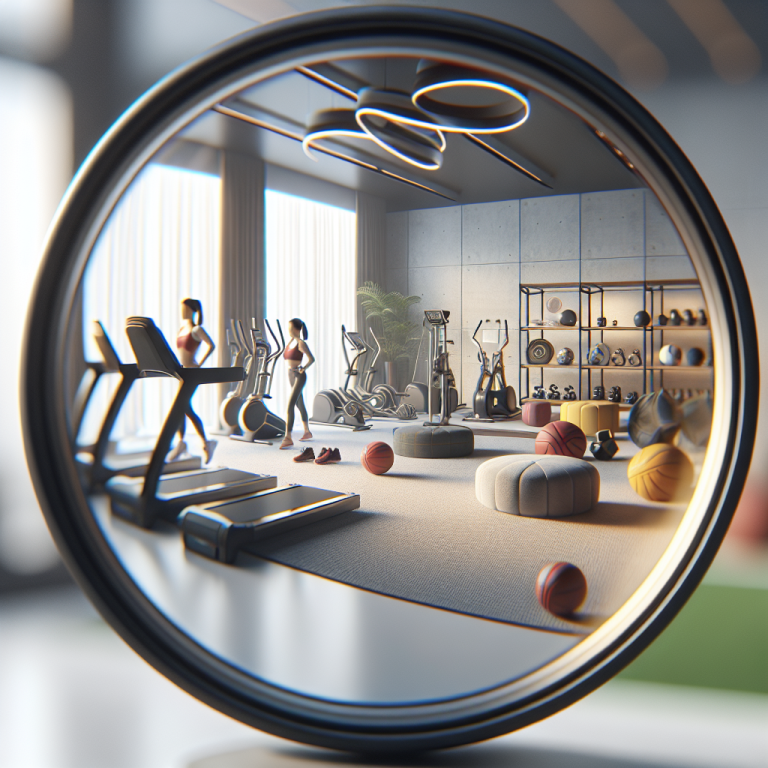
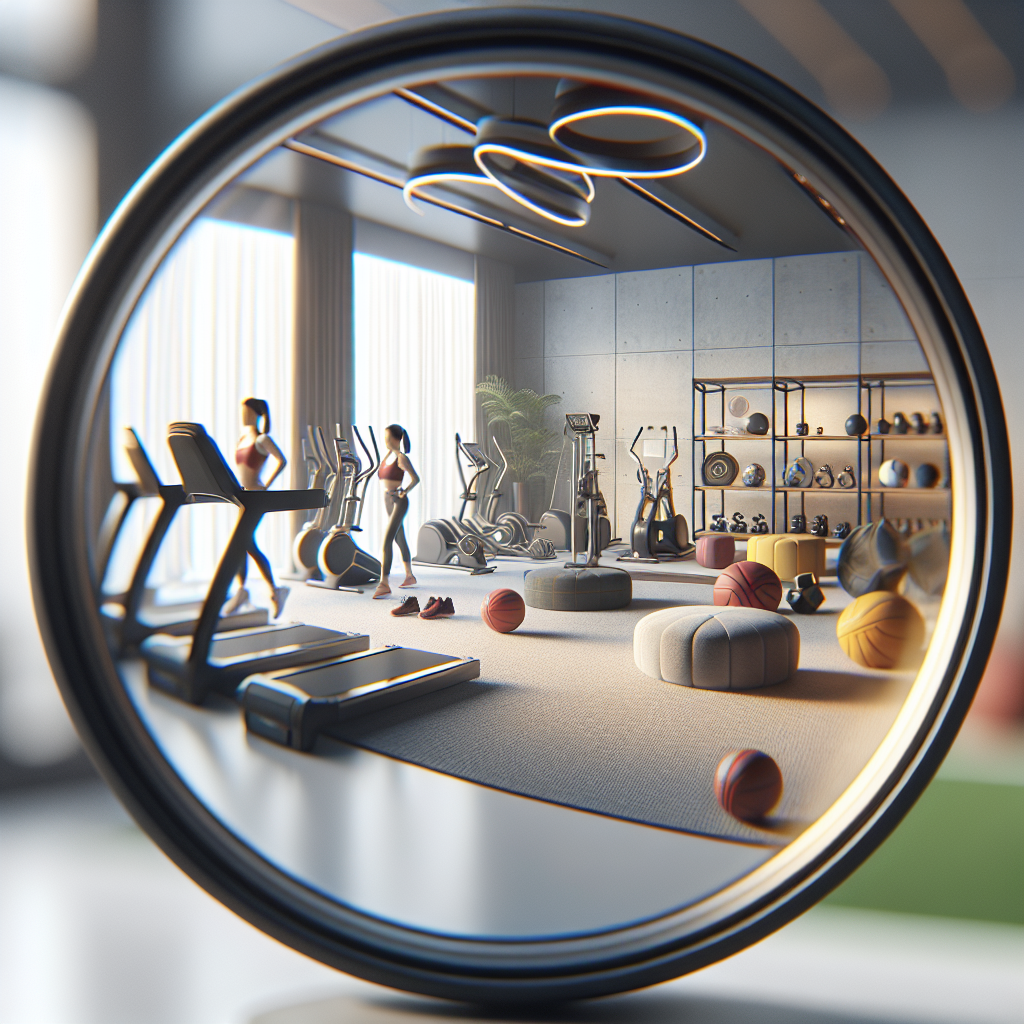
Indoor sports equipment covers products people use to exercise at home, from yoga mats, resistance bands and dumbbells to treadmills, exercise bikes and connected fitness devices. For brands and retailers, the important question is not only who buys this equipment but who keeps using it, because products that end up unused rarely lead to repeat purchase or recommendations. Consumer research answers both questions by looking at buyers’ goals, space, budget and actual use over time.
What is driving interest in home workout equipment?
Several reasons commonly lead people to exercise at home:
- Convenience: no travel time and the freedom to train at any hour.
- Health and fitness goals: weight management, strength, flexibility and stress relief.
- Online fitness content: workout videos and apps make home training easier to start.
- Cost comparison: some people see equipment as an alternative to a gym membership.
The weight of each reason differs by person and by product. A busy office worker buying a mat and bands has different needs from a family investing in a treadmill. Research helps a brand see which motivations apply to its own buyers.
How do consumers choose and buy indoor sports equipment?
In urban homes, space is often the first constraint, so size, foldability and noise matter alongside durability, safety and price. Many buyers read reviews and watch videos before deciding. Small items are often bought online, while larger machines may be bought after seeing or trying them in a store. Delivery, installation, warranty and after-sales service can also influence the choice of brand and channel.
What should you measure?
| Business question | What to measure | Method |
|---|---|---|
| Who buys, and why? | Buyer profile, goals, triggers for purchase | Quantitative survey |
| How do they decide? | Information sources, criteria (space, noise, durability, price), channel choice | Survey, shopper interviews |
| Do they keep using it? | Frequency of use after purchase, reasons for stopping | Follow-up survey, diaries, in-home visits |
| Does the product work at home? | Satisfaction with setup, comfort, noise, storage | Home use test (HUT) |
| Would they recommend or buy more? | Recommendation, interest in accessories or upgrades | Customer satisfaction survey |
How can you research home fitness consumers in Vietnam?
- Visit homes and listen. In-home visits and in-depth interviews show where equipment is kept, how routines start and stop, and what gets in the way.
- Profile buyers with a survey. A survey sizes buyer groups by goal, budget and channel. Choose a sample size large enough to compare these groups.
- Test products in real homes. A home use test checks whether size, noise and comfort work in typical urban apartments.
- Follow up after purchase. Repeat the survey with the same buyers after a few weeks or months to see who is still training and why others stopped.
Why do many people stop using home equipment?
Motivation often drops after the first weeks, especially when there is no plan, no feedback and no social support. Equipment that is hard to set up or store also tends to be used less. Research into why people stop is often more useful than research into why they bought, because it shows where a brand can help: simple training programmes, app support, reminders or community features.
What are common mistakes?
- Measuring purchase only. Sales do not show whether buyers are satisfied or will recommend the product.
- Ignoring space and noise. These practical issues decide whether equipment stays in use in small homes.
- Treating all buyers as the same. Beginners, regular trainers and families have different needs and budgets.
- Testing in a showroom only. A product can feel right in a store and still fail at home.
FAQ
How do you research the indoor sports equipment market?
Combine in-home visits and interviews to understand routines, a survey to profile buyers and channels, home use tests for product fit, and follow-up research to measure continued use.
Why measure use after purchase?
Continued use drives satisfaction, recommendations and further purchases. Measuring it shows whether the product and its support actually help people keep training.
What matters most when consumers choose home equipment?
It varies by buyer, but space, noise, durability, safety, price and reviews are common criteria. A survey shows how these rank for a specific product and target group.
Research your home fitness customers
INTAGE Vietnam is a market research company in Vietnam and part of the INTAGE Group, Japan. We help brands and retailers understand home fitness buyers through in-home research, surveys, product tests and customer satisfaction studies. See our market research services or contact us to plan a study.
Related reading
Latest posts
- Market Research: Building a Market Research Report for Investment Funds
 Survey Sample Size: How Many Respondents Are Enough?
 Survey Data Collection Methods in Vietnam: How to Choose
- Technology Adoption in Enterprises: How to Research Employee Behavior
 How to Write a Market Research Brief for an Accurate Quote

