
Research insights
Community Event Sales: How to Measure Impact and Effectiveness

On this page
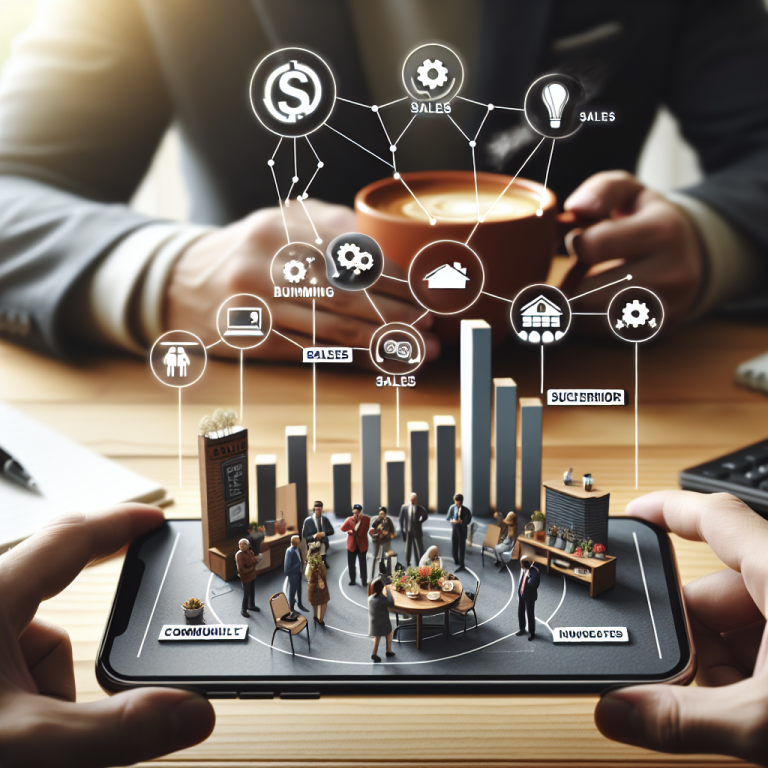
A community event sales strategy uses local events, such as neighbourhood fairs, school and club activities, sampling days and local festivals, to meet customers in person, build trust and sell. Its impact should be judged on more than on-site sales: a good assessment also measures new customers reached, changes in local awareness and purchase after the event, and compares the results with similar areas that had no event.
What is a community event sales strategy?
It is a way of selling and promoting a brand through events organised with or for a local community. Typical formats include:
- Booths and sampling at neighbourhood fairs, markets and local festivals.
- Activities with schools, clubs, residential buildings or local associations.
- Product demonstrations and workshops in or near stores.
- Small events run with local partners, retailers or community groups.
The appeal is direct contact: people can try the product, ask questions and talk to the brand, and they share the experience with neighbours and friends.
Why is the impact of community events hard to measure?
On-site sales are easy to count, but they are only part of the effect. Some visitors buy later in a nearby store or online; some tell others; some only become aware of the brand. Events also tend to happen in areas or seasons that differ from the rest of the market, so a sales increase after an event may have other causes, such as a holiday, a promotion or weather. Without a plan for measurement, a business cannot tell whether events are worth repeating.
What should you measure?
| Dimension | What to measure | Method or data source |
|---|---|---|
| Reach | Number of visitors, share who match the target profile | Attendance counts, short intercept survey |
| Experience | Satisfaction with the event, product trial, likelihood to recommend | Intercept survey at the event |
| Brand effect | Awareness and perception in the local area before and after | Pre and post survey in event and comparison areas |
| Sales effect | On-site sales, sales in nearby stores after the event | Sales records, comparison with similar stores without an event |
| Purchase behaviour | Trial and repeat purchase among shoppers after the event | Follow-up survey, shopper panel data where coverage allows |
| Cost efficiency | Cost per visitor, per trial and per new customer | Event budget compared with the results above |
How do you design a fair evaluation?
- Set objectives before the event. Decide whether the main goal is trial, awareness, sales or relationships, and choose two or three measures that match it. A short research brief helps.
- Measure a baseline. Collect awareness or sales data before the event, not only after it.
- Use comparison areas. Compare event areas or stores with similar ones that had no event, so that seasonal and market-wide changes are taken into account.
- Talk to visitors. A short intercept survey at the event, with a clear sampling plan so that you do not interview only the most enthusiastic visitors, captures profile and experience.
- Follow up. Check purchase and repeat purchase some weeks later, through a follow-up survey or purchase data. For larger event programmes in the cities it covers, i-Panel, INTAGE Vietnam’s panel of individual shoppers who record purchases with receipts and barcode scans, can show changes in buying behaviour.
What makes community events effective?
Research on your own events will show what works for your brand, but common points to test include: working with local partners who know the community, offering a useful or enjoyable experience rather than a pure sales pitch, choosing locations where the target customers actually are, running events regularly rather than once, and following up with visitors after the event.
What are common mistakes?
- Counting only on-site sales. This misses later purchase and awareness effects, and can make good events look weak.
- No comparison group. Without one, normal seasonal changes are mistaken for event impact.
- Surveying only happy visitors. Staff who choose whom to interview tend to pick friendly, satisfied people.
- Pushing sales too hard. Events that feel like pure selling can damage trust in the community.
How do you act on the findings?
Compare events by cost per new customer and by their effect on awareness and later purchase, then keep and scale the formats and locations that perform best. Use visitor feedback to improve the next event, and keep the same measures over time so that results can be compared.
FAQ
How do you measure the ROI of a community event?
Compare the event cost with the extra sales and new customers it produced, measured against a baseline and against similar areas without an event, and include later purchases, not only on-site sales.
What survey should be run at a community event?
A short intercept survey covering visitor profile, product trial, satisfaction with the event and intent to buy, with visitors selected by a fixed rule rather than chosen by staff.
How long after an event should you measure impact?
Measure on the day for experience, then follow up after some weeks for purchase and repeat purchase. The right interval depends on how often people buy the category.
Measure your event programme
INTAGE Vietnam is a market research company in Vietnam and part of the INTAGE Group, Japan. We help businesses evaluate events and activations with intercept surveys, pre and post studies and shopper panel data. See our market research services or contact us to plan a study.
Related reading

Latest posts
- Market Research: Building a Market Research Report for Investment Funds
 Survey Sample Size: How Many Respondents Are Enough?
 Survey Data Collection Methods in Vietnam: How to Choose
- Technology Adoption in Enterprises: How to Research Employee Behavior
 How to Write a Market Research Brief for an Accurate Quote

