
Research insights
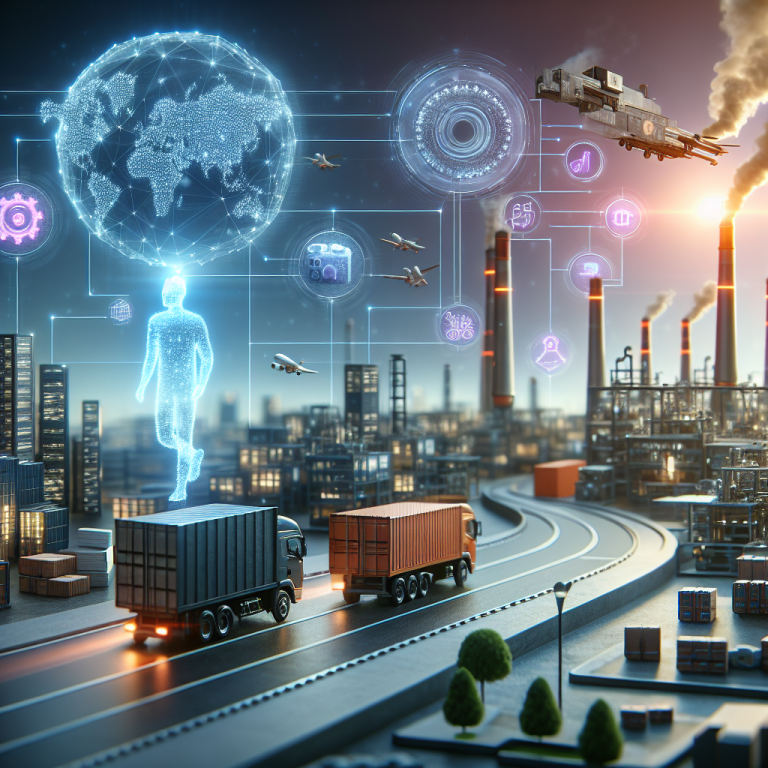
AI Physicalization: Revolutionizing the Industry 4.0

On this page
- AI Physicalization and Its Importance in Industrial Development
- AI-Integrated Warehouse Robots: Definition and Benefits
- Applications of AI Physicalization in Modern Warehouse Automation
- Smart Production Lines with AI: Higher Productivity and Quality
- Combining AI and Industrial Robots: Challenges and Practical Solutions
- The Future of AI Physicalization in Manufacturing and Warehousing
- Case Study: Successful AI Physicalization in Warehouse Robots and Production Lines
- Final Thoughts: AI Physicalization, the Key to Leading Industry 4.0
AI Physicalization is a concept describing the application of artificial intelligence to physical systems in order to optimize production and warehousing processes. In the context of the Fourth Industrial Revolution, AI Physicalization is becoming indispensable, playing an important role in improving performance, reducing costs, and enhancing product quality.
AI Physicalization and Its Importance in Industrial Development
Today, industries are transforming strongly thanks to the development of AI technology. AI Physicalization allows automated systems to interact with physical elements, predicting and handling situations in real time. Integrating AI into manufacturing not only increases productivity but also produces higher-quality products and responds quickly to market demand.
AI-Integrated Warehouse Robots: Definition and Benefits
Integrating AI into warehouse robots is extremely important. Warehouse robots enhance automation and help manage warehouses more efficiently through activities such as storing, sorting, and moving goods. AI in warehouse robots enables big data analysis to continuously improve processes, optimize delivery routes, and strengthen coordination in the warehouse.
Applications of AI Physicalization in Modern Warehouse Automation
AI Physicalization has been widely applied in warehouse automation. Typical examples include:
- Automated guided vehicles (AGVs): These vehicles can adjust to the plan for moving goods within the warehouse, reducing search and travel time.
- Smart warehouse management systems: Using AI to optimize the location of goods, saving staff time and effort.
- Predictive analytics: Using data to forecast demand, improving the efficiency of supply and storage.
Smart Production Lines with AI: Higher Productivity and Quality
In smart manufacturing, AI Physicalization plays an important role in improving areas such as quality management and production monitoring. AI technologies such as machine learning and big data analytics allow businesses to detect anomalies early and adjust production processes flexibly. This not only increases productivity but also reduces product defects and improves customer experience.
Combining AI and Industrial Robots: Challenges and Practical Solutions
When integrating AI into industrial robots, businesses often face challenges such as high initial investment, the need for skilled staff, and agreement on changing processes. To address these issues, companies should consider solutions such as:
- Investing in staff training so they can become familiar with new technology.
- Looking for AI technologies that integrate easily with existing systems.
- Running small pilot projects before broad adoption.
The Future of AI Physicalization in Manufacturing and Warehousing
The future of AI Physicalization promises continued strong growth as investment in new technology increases. The digital transformation trend, together with the Internet of Things (IoT), will bring major changes to production and warehouse operations. Moreover, AI’s role will not be limited to automation but will extend to shaping long-term business optimization strategies.
Case Study: Successful AI Physicalization in Warehouse Robots and Production Lines
Companies such as Amazon and Tesla are leading the way in implementing AI Physicalization. Amazon uses Kiva robots in its warehouses to optimize packing and delivery, saving time and operating costs. Meanwhile, Tesla has applied AI to its car production lines to achieve the highest production efficiency by monitoring and adjusting processes precisely.
Final Thoughts: AI Physicalization, the Key to Leading Industry 4.0
In summary, AI Physicalization is not just a trend but the key to leading the Fourth Industrial Revolution. Strengthening the integration of AI into physical systems will bring major benefits in productivity, efficiency, and product quality. Businesses therefore need to prepare for this change to make the most of new technology.
Contact us today for a consultation!
—
INTAGE Vietnam: Comprehensive and effective market research solutions for businesses.
📞 (+8428) 3820 5558
🌐 https://intage.com.vn/
🏢 45 Vo Thi Sau, Tan Dinh Ward, Ho Chi Minh City, Vietnam
Related reading


Latest posts
- Market Research: Building a Market Research Report for Investment Funds
 Survey Sample Size: How Many Respondents Are Enough?
 Survey Data Collection Methods in Vietnam: How to Choose
- Technology Adoption in Enterprises: How to Research Employee Behavior
 How to Write a Market Research Brief for an Accurate Quote

