Circular Economy (Re-commerce): The Rise of the Secondhand, Recycled, and Rental Markets
What is Circular Economy? Understanding Re-commerce Correctly
The concept of circular economy and its importance in the new era
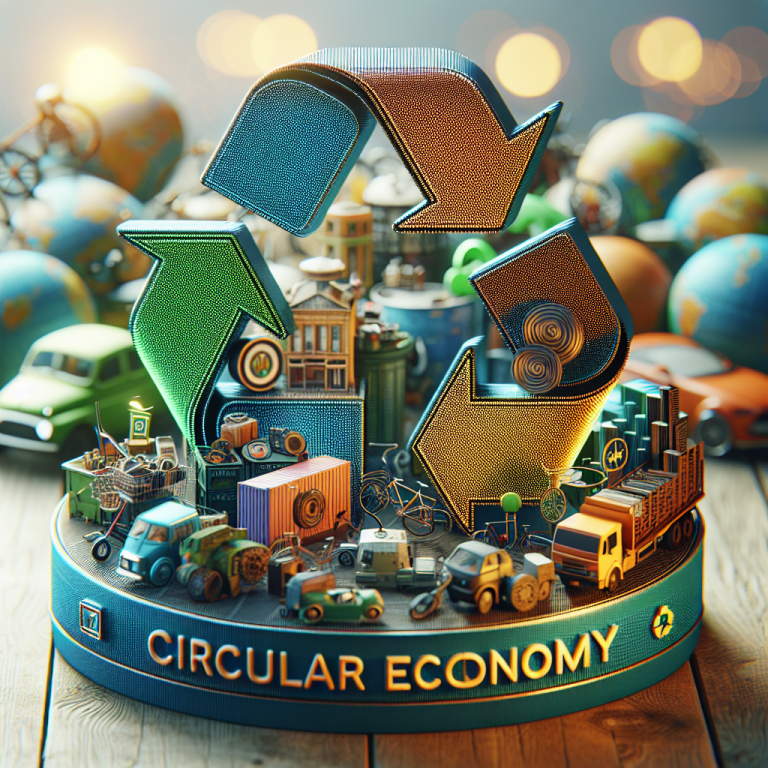
The circular economy is a development model based on optimizing resource use, minimizing waste, and extending product lifespan. This means that instead of a linear economic model where products are manufactured, consumed, and then discarded, we shift to a model where products can be reused, recycled, or rented. The importance of the circular economy is increasingly emphasized in the context of climate change and growing resource pressures.
Re-commerce – The business model of reusing products
Re-commerce, or reuse commerce, is one of the key components of the circular economy. This model allows consumers to buy and sell secondhand products, thereby helping to save costs, reduce waste, and support the environment. Re-commerce benefits not only consumers but also creates opportunities for businesses to develop sustainably.
Secondhand Market: A New Trend in Sustainable Consumption
Reasons for the rapid development of the secondhand market
The secondhand market is witnessing a boom thanks to a shift in consumer mindset. Consumers are becoming more aware of the negative impacts of overconsumption on the environment. This has led to an increase in demand for secondhand products to minimize the negative impact on the environment.
Popular channels for buying and selling secondhand goods today
Currently, the secondhand market operates through various channels such as e-commerce websites, online buying and selling apps, and traditional thrift markets. These channels not only help consumers easily access secondhand products but also create connections between buyers and sellers.
How are consumers changing with secondhand products?
The change in consumer perception of secondhand products is evident from their purchasing styles to how they assess the value of products. Secondhand products are no longer seen as ‘discarded items’ but have become an important part of their sustainable consumption strategies.
Recycled Goods – An Environmentally Friendly Circular Economy Solution
Recycling Products: From Waste to Valuable Resources
Recycling is the process of converting waste into new products while minimizing the amount of natural resources needed for production. In fact, many products can be recycled and reused, creating economic value for both businesses and society.
The economic and environmental benefits of recycled goods
Recycled goods contribute not only to environmental protection by minimizing waste but also to cost savings in production and resource extraction. By reusing materials from secondhand products, businesses can minimize their negative environmental impact while optimizing profits.
Real-life examples: Successful businesses with recycled goods
Many businesses have successfully adopted recycling strategies for sustainable development. For instance, some fashion brands have started using recycled materials in their products, thereby enhancing their appeal to environmentally conscious consumers.
Rental Models: A New Solution in the Circular Economy
The advantages of rental models in modern consumption
The rental model allows consumers to access products without having to spend a large sum to own them. This is particularly useful for products with a short usage cycle, helping to save finances and reduce waste.
Categories adopting popular rental models
Many sectors have adopted rental models, from fashion, electronics to furniture. This model not only provides economic benefits to consumers but also alleviates environmental pressure by limiting new production.
Positive impacts on the environment and society
The rental model not only helps reduce the consumption impact on the environment but also creates new job opportunities and develops sustainable services within society.
Challenges and Opportunities of the Circular Economy in the Future
Barriers to overcome for developing the circular economy
Despite its potential, the circular economy still faces challenges such as consumer awareness, underdeveloped infrastructure, and cultural factors impacting consumption habits.
Opportunities for businesses and consumers
The circular economy is opening up new opportunities for businesses and consumers to save costs and promote innovation. Companies adopting sustainable business models are on the rise, creating appeal to environmentally conscious customer segments.
The role of policy and technology in promoting the Re-commerce model
Government support policies and technological advancements are key factors in promoting the Re-commerce model. The combination of technology solutions and policies will help build a robust and sustainable circular economy ecosystem.
Conclusion: The Circular Economy – An Irreversible Trend in the Consumer Market
The circular economy is no longer an abstract concept but has become an important reality in modern consumption and production activities. Transitioning to sustainable business models such as Re-commerce, secondhand markets, and rental models will not only help economic development but also protect our planet.
Contact us today for tailored consultation!
Intage Vietnam: Your trusted partner for comprehensive and effective market research solutions.
📞 (+8428) 3820 5558
🌐 https://intage.com.vn/
🏢 45 Vo Thi Sau, Da Kao Ward, District 1, Ho Chi Minh City, Vietnam