
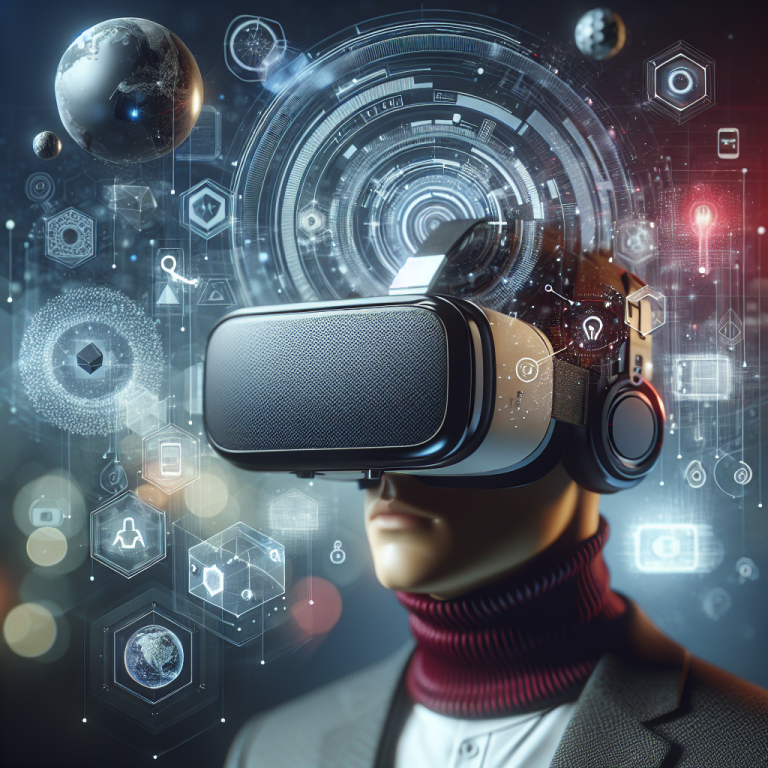
Virtual Reality (VR) Market – An Investment Opportunity Not to Be Missed in the Digital Age
The virtual reality (VR) market is proving to be one of the most promising tech fields in today’s digital era. From education and healthcare to entertainment, VR is not just a new technology but a way to experience, interact, and access information. Investing in the VR market can yield high returns, and understanding trends and potential is essential for businesses and investors.
Analysis of the Virtual Reality (VR) Market: Size, Growth, and Driving Factors
The virtual reality market has seen impressive growth in recent years. According to studies, the global VR market size is projected to reach around USD 57 billion by 2027, with a compound annual growth rate (CAGR) of approximately 30%. This development is driven by several key factors:
- An increase in investment in VR technology research and development.
- The wide applicability across various fields.
- Advances in hardware and software technology, especially in VR headsets and creative content.
The Landscape of the VR Market: From Hardware to Software and Content
The VR market encompasses various components, from hardware like VR headsets to software and content. VR headsets such as Oculus Rift, HTC Vive, and PlayStation VR are becoming increasingly popular, along with the growth of VR applications and games. Creative content also plays a significant role in attracting users, as it creates memorable and unique experiences.
Who Are the Key Players in the Current VR Market?
Major companies like Facebook (Meta), Google, Sony, and Microsoft dominate the market with a variety of products and services. In addition, many startups are emerging with innovative solutions, creating numerous opportunities for competition and innovation in the field.
Breakthrough Virtual Reality (VR) Applications in Education: Opportunities and Challenges
Virtual reality is transforming education by providing a more interactive and immersive learning experience. Students can take part in virtual classes, conduct science experiments, or go on virtual tours of historical landmarks. However, challenges include high initial investment costs and the need for technical support from teachers and technology infrastructure.
Virtual Reality (VR) in Healthcare: Improving Diagnosis, Treatment, and Training
In the healthcare sector, VR is opening up new possibilities for training doctors, simulating surgeries, and enhancing skills through virtual practice. Research shows that using VR can help improve accuracy in diagnosis and treatment procedures.
Virtual Reality (VR) Entertainment: A New Leap for the Gaming Industry and Experience
Virtual reality has provided a significant boost to the entertainment industry, especially in gaming. VR games offer a completely new gaming experience where players can immerse themselves in a 3D environment and interact in the most natural ways.
VR for Businesses: Optimizing Processes, Enhancing Efficiency, and Creating Competitive Advantages
Businesses are also looking for opportunities to apply VR to optimize workflows, improve customer experiences, and enhance employee training. Implementing VR can save time and costs while differentiating ways to interact with customers.
Virtual Reality (VR) Market Trends for 2024: What Will Shape the Future?
New technology trends range from applying AI in VR to developing virtual environments combined with augmented reality (AR). These trends will shape the market direction and how consumers interact with products and services.
VR Market Forecast: What Might the Size Reach by 2027?
With robust growth and the driving factors mentioned, the VR market is expected to reach a size of USD 57 billion by 2027. This reflects the growing interest of investors and consumers.
Augmented Reality (AR) and VR: A Combination Creating the Future of Digital Experience?
Integrating AR and VR not only opens up new applications but also facilitates superior digital experiences. Combining these two technologies can create engaging experiences, from education to entertainment.
Barriers and Challenges to the Development of the Virtual Reality (VR) Market
Despite the potential of the virtual reality market, it also faces significant challenges. Barriers such as high investment costs, a lack of creative content, and certain health and safety concerns when using VR need to be addressed.
The Potential of the Virtual Reality (VR) Market: Invest Today to Seize the Future?
In conclusion, the virtual reality market is increasingly attractive with significant investment potential. Businesses and investors should carefully consider the opportunities and challenges to leverage advantages and shape the future in a rapidly changing technological world.
Contact us today for tailored consultation!
Intage Vietnam: Your trusted partner for comprehensive and effective market research solutions.
📞 (+8428) 3820 5558
🌐 https://intage.com.vn/
🏢 45 Vo Thi Sau, Da Kao Ward, District 1, Ho Chi Minh City, Vietnam