

Research insights

On this page
- Analyzing product pairs that are often purchased together in invoices with iPanel INTAGE data
- 1. Introduction to iPanel INTAGE in purchase data analysis
- 2. Why analyze product pairs that are often purchased together?
- 3. The process of analyzing product pairs on iPanel
- 4. Practical applications of product pair analysis results in marketing and business
- 5. Hypothetical example: Using iPanel to analyze product pairs
- 6. Recommendations for businesses using iPanel data to analyze invoices
- 7. Conclusion
iPanel INTAGE is INTAGE Vietnam’s shopper panel and consumer behavior data platform, helping teams analyze real purchase behavior, market trends, and category performance in Vietnam. Learn more about iPanel INTAGE.
Analyzing product pairs that are often purchased together in invoices with iPanel INTAGE data

Analyzing product pairs that are often purchased together in invoices with iPanel INTAGE data
1. Introduction to iPanel INTAGE in purchase data analysis
iPanel INTAGE is INTAGE Vietnam’s shopper panel: panel members submit receipt images and scan product barcodes through a mobile app, giving businesses purchase data to analyze. With the ability to quickly process and analyze invoice data, iPanel allows users to gain deeper insights into customer consumption behavior. This is particularly important in the retail industry, where understanding customer demand and shopping habits can create a significant competitive advantage.
Related data source: Explore iPanel INTAGE Vietnam for shopper panel data, receipt tracking, barcode scanning and FMCG purchase behavior in Vietnam.
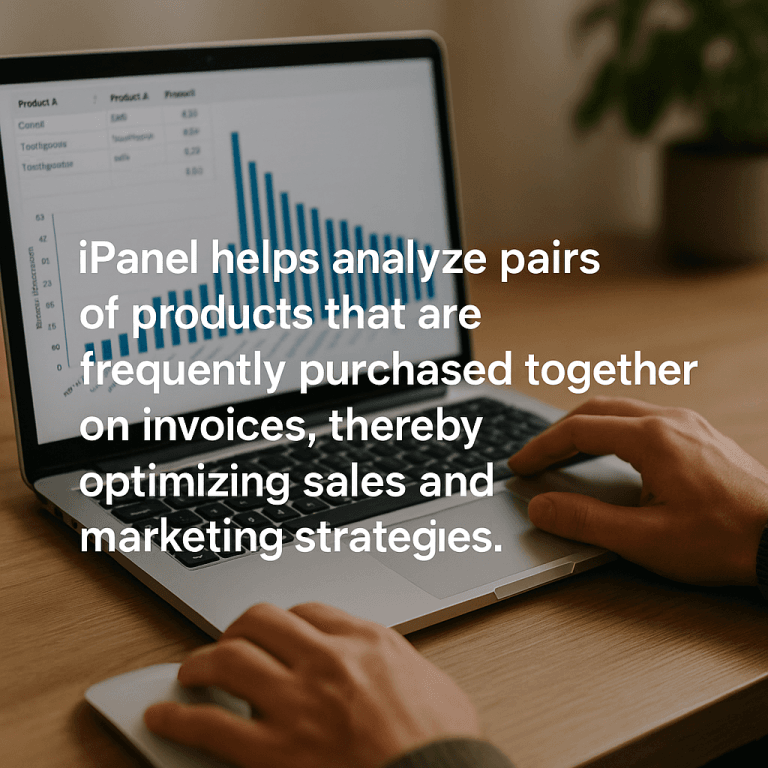
The role of iPanel in the retail industry cannot be underestimated. iPanel data not only provides an overview of spending but also supports a deeper analysis of pairs of products that are frequently bought together. This helps retailers optimize business decisions, manage inventory more effectively, and improve customer experiences.
2. Why analyze product pairs that are often purchased together?
Analyzing shopping behavior, especially product pair analysis, brings numerous benefits to businesses. Firstly, it helps to better understand customer needs and preferences. When businesses identify which products are often purchased together, they can enhance product displays to encourage customers to spend more.
The impact on business and marketing strategies is also significant. Businesses can develop suitable promotional programs, create more attractive product bundles, or even personalize the shopping experience for individual customers based on data collected from iPanel.
3. The process of analyzing product pairs on iPanel
The process of analyzing product pairs on iPanel is conducted through several steps. First, collecting invoice data is an essential step. This data typically includes information about the products on each receipt, transaction time, and location.
Next, the method for identifying common product pairs will be applied. The analysis looks at relationships between products to determine which product pairs often appear together in the same invoice.
The analysis can use techniques such as statistical analysis and data mining. These techniques help detect product pairs and track consumption trends over time, allowing businesses to better prepare their strategies.
4. Practical applications of product pair analysis results in marketing and business
The results of product pair analysis from iPanel can be effectively applied in various areas of marketing and business. Firstly, optimizing product displays is one of the most important applications. Businesses can arrange products together in ways that align with customer purchasing tendencies, thereby increasing sales potential.
Building effective promotional programs is another area where iPanel can make a significant impact. Bundle discount programs can encourage customers to purchase more items.
Ultimately, increasing revenue through smart sales strategies is the main goal. By defining strategic areas based on data analysis, businesses can significantly boost revenue by optimizing business decisions according to customer purchasing behaviors.
5. Hypothetical example: Using iPanel to analyze product pairs
To demonstrate how iPanel can be used to analyze product pairs, consider a hypothetical situation. A food retailer uses iPanel data to analyze receipts and finds that products like chicken and seasoning are frequently purchased together.
Based on this information, the retailer could design food bundles including chicken and seasoning at discounted prices and use the same data to check whether sales of these bundles increase.
The lesson from this example is that utilizing technology and data to understand customer behavior can create breakthroughs in business performance.
6. Recommendations for businesses using iPanel data to analyze invoices
When using iPanel data, businesses should pay attention to several important issues. First, ensure that the collected data is accurate and complete, as inaccurate data can lead to misleading analyses.
Optimizing data mining is also crucial. Businesses need to ensure they have the necessary resources to analyze and effectively implement results from iPanel.
7. Conclusion
In summary, analyzing product pairs using iPanel provides numerous benefits for businesses, from enhancing understanding of customer needs to optimizing sales and marketing strategies. Future development trends indicate that more and more businesses will utilize data science and market analysis to achieve higher efficiency in their operations.
Contact us today for tailored consultation!
INTAGE Vietnam: Your trusted partner for comprehensive and effective market research solutions.
📞 (+8428) 3820 5558
🌐 https://intage.com.vn/
🏢 1st floor, Citilight Tower, 45 Vo Thi Sau St., Tan Dinh Ward, HCMC
Related reading
Latest posts
 Survey Sample Size: How Many Respondents Are Enough?
 Survey Data Collection Methods in Vietnam: How to Choose
- Technology Adoption in Enterprises: How to Research Employee Behavior
 How to Write a Market Research Brief for an Accurate Quote
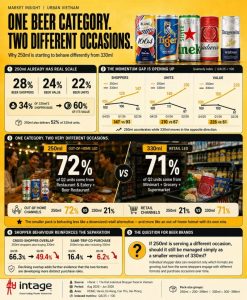 Beer in Vietnam: Why the 250ml Can Is Behaving Differently From 330ml

