
Selling at Trade Fairs: The ‘Golden’ Investment Strategy for Businesses
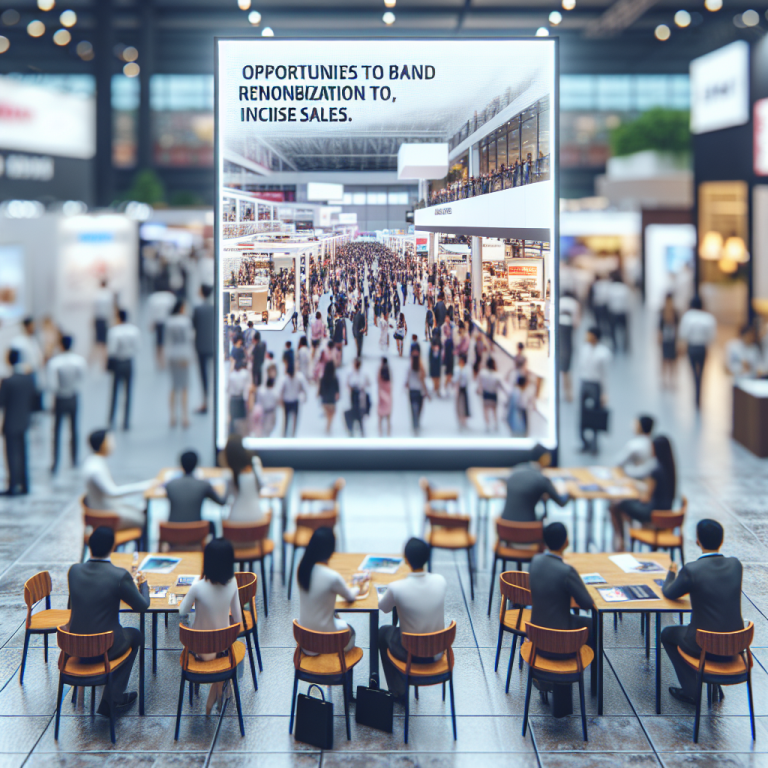
Selling at trade fairs is one of the traditional marketing methods that still holds great appeal in the modern world. Trade fairs are not just places for displaying products but also opportunities for businesses to showcase their brands, build relationships, and seek potential customers. To be more effective in this activity, businesses need to develop a systematic and strategic plan.
What Is a Trade Fair? Why Should Businesses Participate?
A trade fair is an event that brings together many businesses in the same field, where they showcase their products and services to customers. One of the main objectives of participating in trade fairs is to raise brand awareness and expand the customer network. Participating in trade fairs allows businesses to not only directly access customers but also to engage with partners and distributors.
Common Sales Forms at Trade Fairs
At trade fairs, businesses often apply various sales methods such as direct sales at booths, organizing product seminars, or creating attractive promotional programs. Each method has its own advantages, aimed at attracting customer attention and increasing sales revenue.
The Impact of Sales Strategies at Trade Fairs
5+ ‘Golden’ Benefits of Building a Systematic Sales Strategy for Trade Fairs
Developing a systematic strategy for selling at trade fairs brings numerous benefits, including:
- Superior Brand Recognition in Target Market: To ensure your business is more widely recognized, a creative and appealing booth is essential. This helps your brand stand out among hundreds of other booths.
- Access to ‘Quality’ Potential Customers at Optimized Costs: Trade fairs concentrate many potential customers, and directly accessing them will optimize marketing costs.
- Building Sustainable Relationships with Partners and Distributors: Presence at a trade fair not only helps you sell but also connects with potential partners and distributors.
- Visual Market & Competitor Research: Participating in trade fairs is also an opportunity to observe market trends and analyze competitors to adjust business strategies.
- Boosting Sales & Expanding Market Share: Promotional programs and sales strategies at trade fairs can significantly drive sales growth.
The Impact of Trade Fairs on Customer Purchase Decisions
Customer Psychology Factors When Shopping at Trade Fairs
Customers tend to be attracted by the richness and diversity of products at trade fairs. The open space and direct interaction help them feel comfortable and make purchasing decisions more easily.
Building Trust & Assurance for Customers
Meeting sales staff in person and experiencing the products on the spot creates trust and assurance for customers regarding product quality.
Tips for an Over-Expectations Successful Sales Strategy at Trade Fairs
Choosing the Right Trade Fair for Industry & Objectives
Choosing the right trade fair is crucial to ensure participation yields the highest effectiveness. Businesses need to thoroughly analyze the scale, target audiences, and characteristics of the trade fair.
Designing an Impressive Booth that Attracts All Eyes
The booth needs to be professionally designed with attractive highlights. Creative design not only catches the eye but also showcases the brand’s identity.
Training a Professional Sales Team, Knowledgeable about Products
The sales team represents the face of the business. Training them to be knowledgeable consultants helps customers obtain information and make buying decisions more easily.
Building Attractive Promotional Programs to Stimulate Purchasing
Clever promotional programs can create great appeal. Discounts and attractive gifts will encourage customers to make final purchasing decisions.
Leveraging Media Channels to Promote Before, During & After the Fair
Marketing before and after the event is very important. Using media channels like social media and email marketing to promote the business’s participation in the trade fair is a great way to attract attention.
Measuring ROI (Return On Investment): Evaluating the Effectiveness of Trade Fair Investments
Key Metrics to Monitor for Effectiveness Assessment
Assessing the effectiveness of the trade fair is essential to understand whether the strategy is effective or not. Metrics such as the number of visitors to the booth, the number of contracts signed, and revenue generated are critical factors.
Tools to Support Measurement & Data Analysis
Data analysis tools help businesses track effectiveness from the above metrics more easily and accurately.
Optimizing Trade Fair Sales Strategies to Break Through Revenue
In summary, building a sales strategy through trade fairs not only brings direct revenue benefits but also helps businesses build their brands and seek potential opportunities. Implement the above strategies to effectively boost sales!
Contact us today for tailored consultation!
Intage Vietnam: Your trusted partner for comprehensive and effective market research solutions.
📞 (+8428) 3820 5558
🌐 https://intage.com.vn/
🏢 45 Vo Thi Sau, Da Kao Ward, District 1, Ho Chi Minh City, Vietnam