
Research insights
Beauty Equipment Rental: How to Research Consumer Demand

On this page

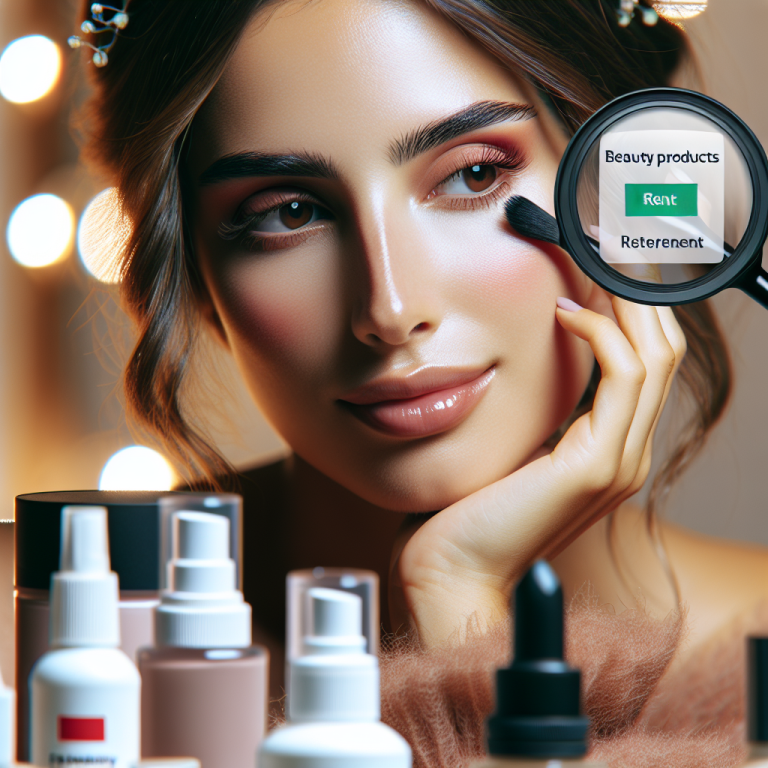
Beauty equipment rental is a service in which customers pay to use beauty devices, such as hair styling tools or at-home skincare devices, for a set period instead of buying them. For a business, the model works only if enough customers prefer temporary use to ownership and trust the hygiene, condition and safety of rented items. Consumer research before launch shows who would rent, which items, at what price, and what would stop them.
What is beauty equipment rental?
Rental is a form of access instead of ownership. Customers book an item online or in a store, use it for a day, a week or longer, and return it. Items that are sometimes offered for rent include hair styling tools, at-home skincare and grooming devices, professional-style equipment for events or photo shoots, and equipment for freelance make-up artists or small salons.
Rental can appeal when an item is expensive, used only occasionally, or when customers want to try a device before deciding to buy one.
Why research demand before launching a rental service?
Interest in “trying before buying” does not automatically mean people will pay to rent. Rental asks customers to accept that the item has been used by others, to plan pick-up and return, and to pay a deposit. Beauty products are personal, so concerns about hygiene and device condition can be stronger than in other rental categories. Research shows whether the benefits outweigh these barriers for your target customers, and which conditions would make rental acceptable.
What should you measure?
| Business question | What to measure | Method |
|---|---|---|
| Who would rent? | Interest in rental by age, city, beauty routine and spending | Quantitative survey |
| Which items? | Ownership, frequency of use, items people want to try | U&A survey |
| What stops people? | Hygiene concerns, condition, damage liability, convenience | In-depth interviews, focus groups |
| What price works? | Acceptable rental fee, deposit and rental period | Survey with price questions, concept test |
| Which service design? | Preferred booking, delivery, return and cleaning proof | Concept test |
| Is the experience good? | Satisfaction, repeat rental, rent-to-buy conversion | Customer satisfaction survey |
How do you research a beauty rental concept in Vietnam?
- Understand current habits. In-depth interviews or in-home visits show which devices people own, how often they use them, and where they would prefer to rent rather than buy.
- Explore barriers openly. Focus groups bring out concerns about hygiene, damage and deposits, and the kind of proof (cleaning process, sealed packaging, condition checks) that would reassure customers.
- Test the concept with real conditions. Show the service with its price, deposit, rental period and delivery options, and measure appeal and intent.
- Size the opportunity. A survey with a sound sample size estimates how many people in your target group are interested and how this differs across segments.
- Pilot and measure. Run a small pilot and track bookings, repeat rentals, returns in good condition and satisfaction before scaling.
What do customers usually weigh when deciding to rent?
- Cost compared with buying: how often they would use the item and whether renting a few times costs less than owning.
- Hygiene and safety: how the item is cleaned and checked between customers.
- Convenience: delivery, pick-up and return effort.
- Risk: deposit size and who pays if the item is damaged.
- Trust in the provider: reviews, clear terms and customer service.
What are common mistakes?
- Assuming interest equals demand. Many people like the idea but would rarely rent in practice.
- Testing without the deposit and terms. Conditions that look small on paper can stop people at checkout.
- Underestimating hygiene concerns. For personal-care items, visible proof of cleaning is often part of the product.
- Offering too many items. Start with items that research shows people want to try and use occasionally.
FAQ
Who is most likely to rent beauty equipment?
It depends on the market and the item. Research typically looks at people who use a device occasionally, want to try before buying, or need professional-level equipment for a short period.
How do you test whether customers would pay for a rental service?
Run a concept test that shows the real price, deposit, rental period and delivery terms, then measure intent and the main reasons for not renting.
What is the main barrier to renting personal beauty devices?
Concerns about hygiene and device condition are a common barrier. Interviews and focus groups help identify what proof and service terms would reassure your target customers.
Research your rental concept
INTAGE Vietnam is a market research company in Vietnam and part of the INTAGE Group, Japan. We help businesses test new service concepts with qualitative research, surveys, concept tests and customer satisfaction research. See our market research services or contact us to plan a study.
Related reading

Latest posts
- Effective M&A (Mergers & Acquisitions) Opportunity Research
- Market Research: Building a Market Research Report for Investment Funds
 Survey Sample Size: How Many Respondents Are Enough?
 Survey Data Collection Methods in Vietnam: How to Choose
- Technology Adoption in Enterprises: How to Research Employee Behavior

