
Research insights
Post-Pandemic Eating Behavior: From Home Habits to Dining Out

On this page
- Post-Pandemic Eating Behavior
- How the Pandemic Affected Consumers’ Eating Habits
- Eating at Home Has Grown Since the Pandemic
- Benefits and Drawbacks of Eating at Home in the Post-Pandemic Period
- Changes in Dining-Out Habits After the Pandemic
- Eating at Home Versus Dining Out: Which Suits the Post-Pandemic Period?
- The Impact of Changing Eating Behavior on the Food Service and Restaurant Industry
- Forecasting Future Eating Behavior Trends After the Pandemic
- Conclusion: Optimizing Post-Pandemic Eating Habits for Health and the Family Budget
Post-Pandemic Eating Behavior
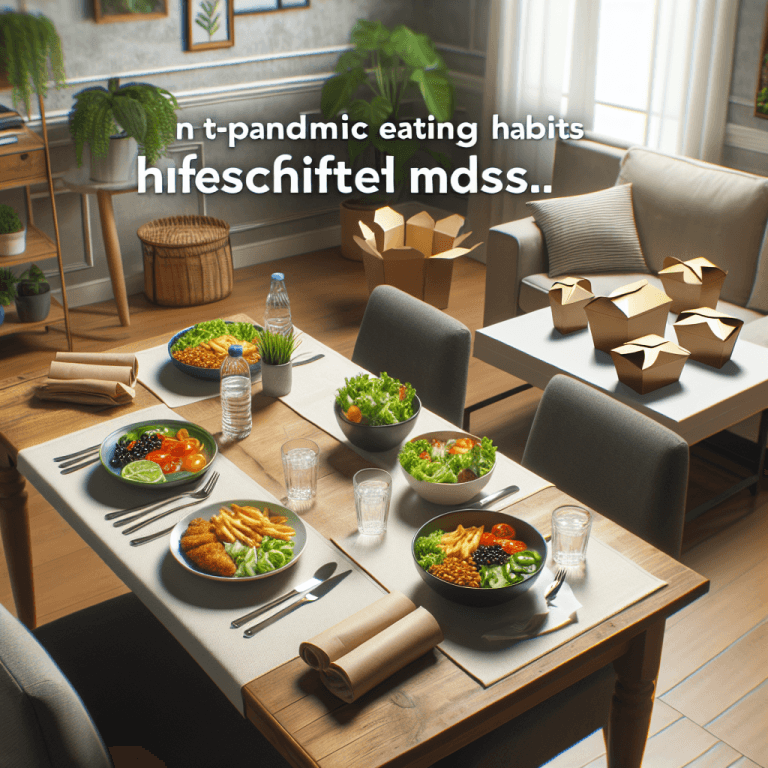
Changes in eating behavior after the pandemic have become a hot and interesting topic. The pandemic deeply affected people’s lifestyles, including their eating habits. Social distancing measures and health concerns forced many people to turn to eating at home, forming new habits they had never had before.
How the Pandemic Affected Consumers’ Eating Habits
The pandemic clearly changed consumers’ eating habits. Many studies show that consumers are paying more attention to health, leading them to choose healthier foods and turn to organic products. Consumers’ eating habits have also shifted from restaurant meals to eating at home, where they can better control ingredients and cooking methods.
Eating at Home Has Grown Since the Pandemic
When the pandemic hit, eating at home became not only a necessity but also a trend that many people came to love. Family meals became precious time for bonding, and thanks to the strong growth of delivery services and ready-made foods, eating at home has become increasingly convenient. According to research reports, as many as 70% of consumers say they will continue this habit even after the situation stabilizes.
Benefits and Drawbacks of Eating at Home in the Post-Pandemic Period
Eating at home brings many benefits, such as saving money, better control over food quality, and opportunities for families to bond. However, it also has certain drawbacks, such as the difficulty of creating a varied menu and missing out on the rich dining experiences restaurants offer.
Changes in Dining-Out Habits After the Pandemic
Changes in dining-out behavior are also notable. Many people have turned to restaurants with safer menus and are willing to pay more for premium dining experiences. Fast food and takeaway remain popular, but the return to dining out is slowing because of lingering health concerns.
Eating at Home Versus Dining Out: Which Suits the Post-Pandemic Period?
Both eating at home and dining out have their own advantages and disadvantages. Overall, eating at home offers safety and reasonable cost, while dining out provides social experiences and creative menus. Consumers need to consider their own habits and needs to make sensible decisions.
The Impact of Changing Eating Behavior on the Food Service and Restaurant Industry
Changes in eating behavior have deeply affected the food service and restaurant industry. Restaurants are having to innovate their service, from menus to delivery services, to meet consumer needs. Many restaurants have quickly moved to selling food online to reach customers more effectively.
Forecasting Future Eating Behavior Trends After the Pandemic
Looking at future eating trends, the habit of eating at home is likely to keep growing. Consumers will tend to look for convenient, safe, and nutritious eating solutions. In addition, restaurants will need to develop their delivery capabilities further to meet rising demand for food.
Conclusion: Optimizing Post-Pandemic Eating Habits for Health and the Family Budget
Ultimately, optimizing post-pandemic eating habits is not only about improving health but also about saving money for the family. Families can explore new recipes together, build habits of choosing clean food, and support each other in building a sensible diet, creating a healthier life.
Contact us today for a consultation!
—
INTAGE Vietnam: Comprehensive and effective market research solutions for businesses.
📞 (+8428) 3820 5558
🌐 https://intage.com.vn/
🏢 45 Vo Thi Sau, Tan Dinh Ward, Ho Chi Minh City, Vietnam
Related reading


Latest posts
- Market Research: Building a Market Research Report for Investment Funds
 Survey Sample Size: How Many Respondents Are Enough?
 Survey Data Collection Methods in Vietnam: How to Choose
- Technology Adoption in Enterprises: How to Research Employee Behavior
 How to Write a Market Research Brief for an Accurate Quote

