
Research insights
Men’s Makeup: Who Uses It and How to Research Male Beauty Consumers

On this page
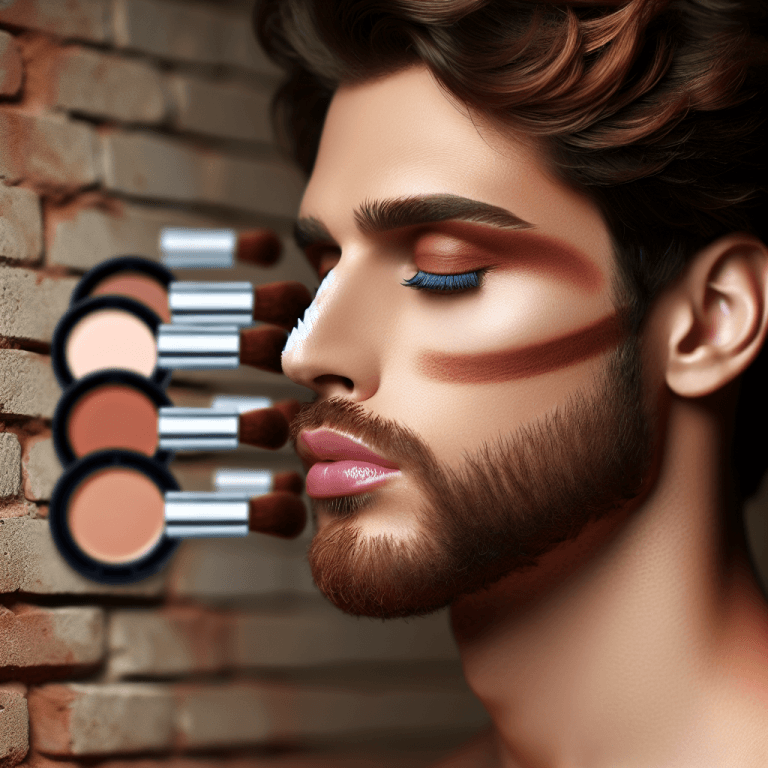
Men’s makeup refers to cosmetics such as BB cream, concealer, oil-control powder, brow gel and tinted lip balm used by men, usually for a natural, well-groomed look rather than visible makeup. Interest is growing among some young urban men, but many still feel unsure or embarrassed about buying and using these products. For brands, the key questions are which men use them, for what occasions and what holds the rest back, and these can only be answered with consumer research.
What is men’s makeup?
Men’s makeup covers products that even out skin tone, hide blemishes, control shine or tidy brows and lips. Most men who use them want the result to look like good skin rather than makeup. Products are often positioned as grooming or skincare with light coverage, and many combine functions, for example a moisturiser with tint and sun protection.
Why is men’s makeup becoming more accepted?
Commonly cited drivers include changing ideas of masculinity, in which caring for appearance is seen as self-respect; male beauty creators and celebrities on social media; the visibility of faces in video calls and social profiles; and skincare acting as a gateway, as men who start with cleanser and sunscreen move to tinted products. How strong each driver is varies by age, city and occupation, so brands should measure these drivers in their own target group rather than assume a single trend.
What should you research about men’s cosmetics users?
| Question | What to measure | Method |
|---|---|---|
| Who uses men’s makeup? | Usage by age, city, occupation; current vs lapsed vs never | Online survey, U&A study |
| For which occasions? | Work, events, dates, photos, daily use | Survey, in-depth interviews |
| What stops non-users? | Embarrassment, shade choice, application skills, social reaction | Qualitative research |
| Where do they learn and buy? | Information sources, online vs store, who buys for them | Survey, shopper panel |
| Does the product look natural? | Finish, shade match, ease of use, comfort | CLT, HUT |
| Which pack and message appeal? | Pack style, wording such as grooming vs makeup | Concept and pack test |
How can you research men’s makeup in Vietnam?
- Choose private formats for a sensitive topic. Many men are more open in one-to-one in-depth interviews or online discussion boards than in a group.
- Write neutral questions. Avoid wording that suggests judgement or assumes use. A bias-free questionnaire is essential here, because some respondents may under-report use.
- Reach the right sample. Users can be a small group. Online panels and targeted quotas help reach enough users to analyse; plan the sample size for the subgroup you care about.
- Test the product on real faces. A central location test or home use test checks shade range, finish and ease of application for male skin types.
- Test language and packaging. Compare messages framed as grooming, skincare or makeup to see which one lowers the barrier for non-users.
What mistakes should brands avoid?
- Relabelling women’s products. Men may want different shades, textures, pack formats and instructions.
- Overstating the trend. Social media visibility does not equal mass adoption. Measure penetration and repeat.
- Ignoring partners and friends. Others often influence first trial or buy products for men.
- Complicated routines. Many-step routines and unclear instructions can stop trial.
How do you act on the findings?
Focus on the user group and occasions with the clearest demand, offer a small range with simple instructions and good shade matching, and use the message framing that tested best with non-users. Track trial and repeat, and adjust the range as the user base grows.
FAQ
Is men’s makeup a mass market?
It depends on the market and age group. Penetration and repeat purchase data show how widespread use really is, beyond social media visibility.
How do you survey men about makeup honestly?
Use private, self-completed formats, neutral wording and questions about specific products used, rather than asking whether they “wear makeup”.
What is the most important product test for men’s makeup?
A test on real users for shade match, finish and ease of use, because a visible or unnatural result is a common reason for stopping.
Research your men’s beauty range
INTAGE Vietnam is a market research company in Vietnam and part of the INTAGE Group, Japan. We help beauty and personal care brands with qualitative research, surveys and product tests to understand new user groups. See our market research services or contact us to plan a study.
Related reading

Latest posts
- Effective M&A (Mergers & Acquisitions) Opportunity Research
- Market Research: Building a Market Research Report for Investment Funds
 Survey Sample Size: How Many Respondents Are Enough?
 Survey Data Collection Methods in Vietnam: How to Choose
- Technology Adoption in Enterprises: How to Research Employee Behavior

