
Research insights
Healthy Snacks: How to Research Consumer Demand in Vietnam
On this page
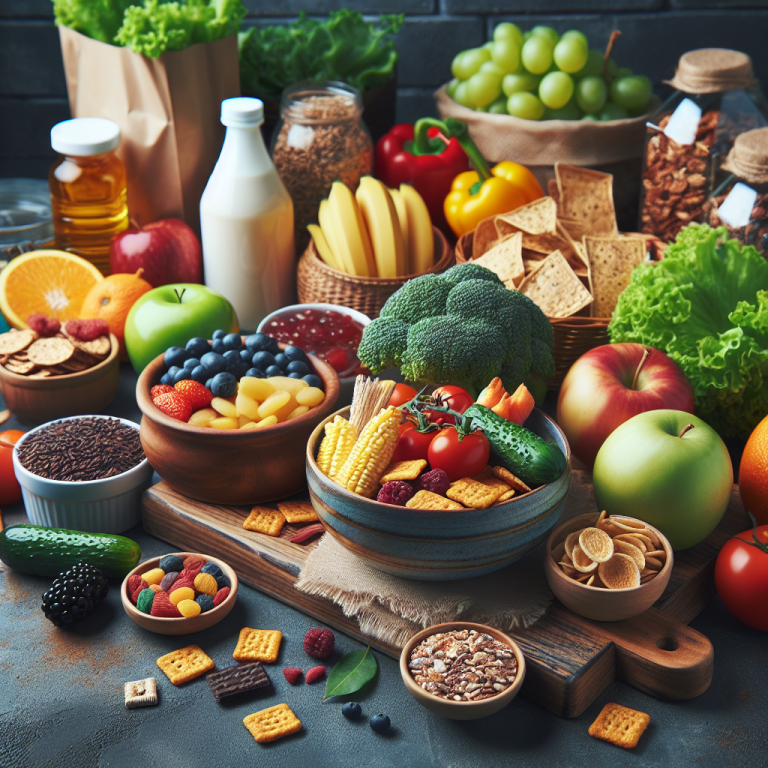
Healthy snacks are convenient foods that consumers see as a better choice than regular snacks, for example because of simpler ingredients, less sugar or salt, or added protein and fibre. What “healthy” means differs between shoppers, so a brand entering this space should first research how its target consumers define a healthy snack, when they eat it and what price they accept, then test taste and packaging before launch.
What counts as a healthy snack?
There is no single definition. Consumers tend to judge a snack as healthier when it has some of these features:
- Natural ingredients and a short ingredient list.
- Less sugar, salt or fat than the usual alternative.
- Protein, fibre or whole grains.
- Controlled portions in convenient packs.
- A taste that is still enjoyable.
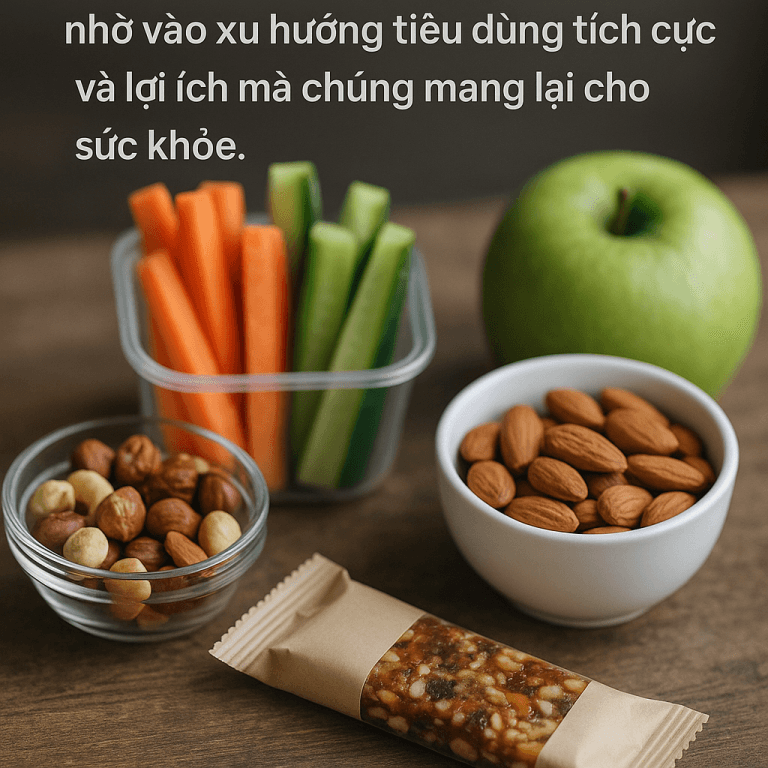
Typical product types include nuts and seeds, dried fruit and vegetable chips, granola and protein bars, and yogurt or dairy-based snacks. Nutrition and health claims on packs are regulated, so brands should check the applicable labelling rules before making any claim.
Why should brands research healthy snack demand first?
Interest in healthier eating does not automatically turn into purchases. Healthy snacks are often priced higher, some shoppers doubt “healthy” claims, and a product that tastes worse than the regular version is rarely bought twice. Research helps a brand find the specific combination of benefit, taste, pack size and price that its target consumers will actually choose, and the occasions where it can win.
What should you measure?
| Business question | What to measure | Method |
|---|---|---|
| What does “healthy” mean to our target? | Benefits and ingredients that signal health, claims trusted or doubted | Focus groups, in-depth interviews |
| When and why do people snack? | Occasions, time of day, place, who eats | Usage and attitude (U&A) survey |
| Is our concept appealing? | Appeal, uniqueness, purchase intent, price acceptance | Concept test |
| Does the product taste good enough? | Liking of taste and texture versus a benchmark | Product test (CLT or HUT) |
| Who buys after launch, and do they come back? | Penetration, repeat purchase, switching from other snacks | Shopper panel |
How can you research healthy snacks in Vietnam?
- Explore with qualitative research. Focus groups and in-home visits show what shoppers keep in the cupboard, how they read labels and which words they use for “healthy”.
- Map occasions with a survey. A U&A survey shows who snacks, when, and which needs each occasion has. Thinking in category entry points helps link the product to real moments, such as a work break or after exercise.
- Test concepts and prices. Show the concept with its pack, claim and price to measure appeal and the main reasons for rejection.
- Test the product. A CLT or HUT compares taste and texture with the product shoppers currently buy.
- Track real purchases. After launch, i-Panel, INTAGE Vietnam’s shopper panel based on receipts and barcode scans, shows which shoppers buy, how often, and which products they switch from.
Where do shoppers buy healthy snacks?
Supermarkets, convenience stores and e-commerce are the usual channels, with extra occasions in gyms, cafés and offices. Research should cover the channels your target uses, because pack size, price point and the role of the product can differ between a convenience store and an online order.
What are common mistakes?
- Relying on stated interest in health. Many people say they want to eat better; purchase data shows whether they do.
- Testing the concept without the price. Healthy snacks often cost more, so price must be part of the test.
- Trading taste for nutrition. Test taste against the regular product shoppers already buy.
- Making claims the shopper does not believe. Check which claims are trusted, and that they meet labelling rules.
How do you act on the findings?
Use the results to choose the target occasion and consumer, set the benefit you lead with, decide pack size and price, and pick launch channels. After launch, follow penetration and repeat purchase to see whether the product is building a habit or only getting trial.
FAQ
What is a healthy snack?
A snack that consumers see as a better choice than the usual alternative, for example with simpler ingredients, less sugar or salt, or added protein or fibre. The definition varies between shoppers.
How do you test a new healthy snack before launch?
Run a concept test with the real pack, claim and price, then a product test (CLT or HUT) comparing taste with the products your target buys today.
How do you know if a healthy snack is succeeding after launch?
Track penetration and repeat purchase with shopper panel or sales data. Trial without repeat purchase usually points to a taste, price or value problem.
Research your snack category
INTAGE Vietnam is a market research company in Vietnam and part of the INTAGE Group, Japan. We support food brands with qualitative research, U&A surveys, concept and product tests and i-Panel shopper data. See our market research services or contact us to plan a study.
Related reading
Latest posts
- Effective M&A (Mergers & Acquisitions) Opportunity Research
- Market Research: Building a Market Research Report for Investment Funds
 Survey Sample Size: How Many Respondents Are Enough?
 Survey Data Collection Methods in Vietnam: How to Choose
- Technology Adoption in Enterprises: How to Research Employee Behavior

