
Research insights
Employee-Free Stores: How to Research Shopper Acceptance
On this page
An employee-free store is a shop where customers select products, check out and pay by themselves, using technology such as self-checkout, mobile apps, cameras and sensors instead of cashiers. Whether this format works for a retailer depends less on the technology and more on shoppers: whether they trust it, find it easier than a staffed store and come back. Shopper research before and during a pilot shows which customers will use it, for which missions, and what stops the rest.
What is an employee-free store?
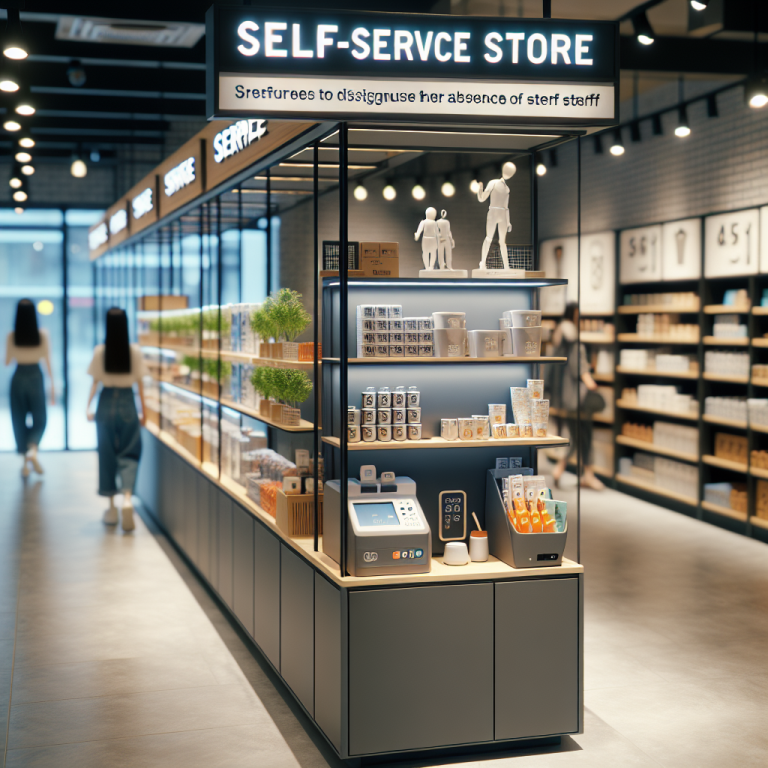
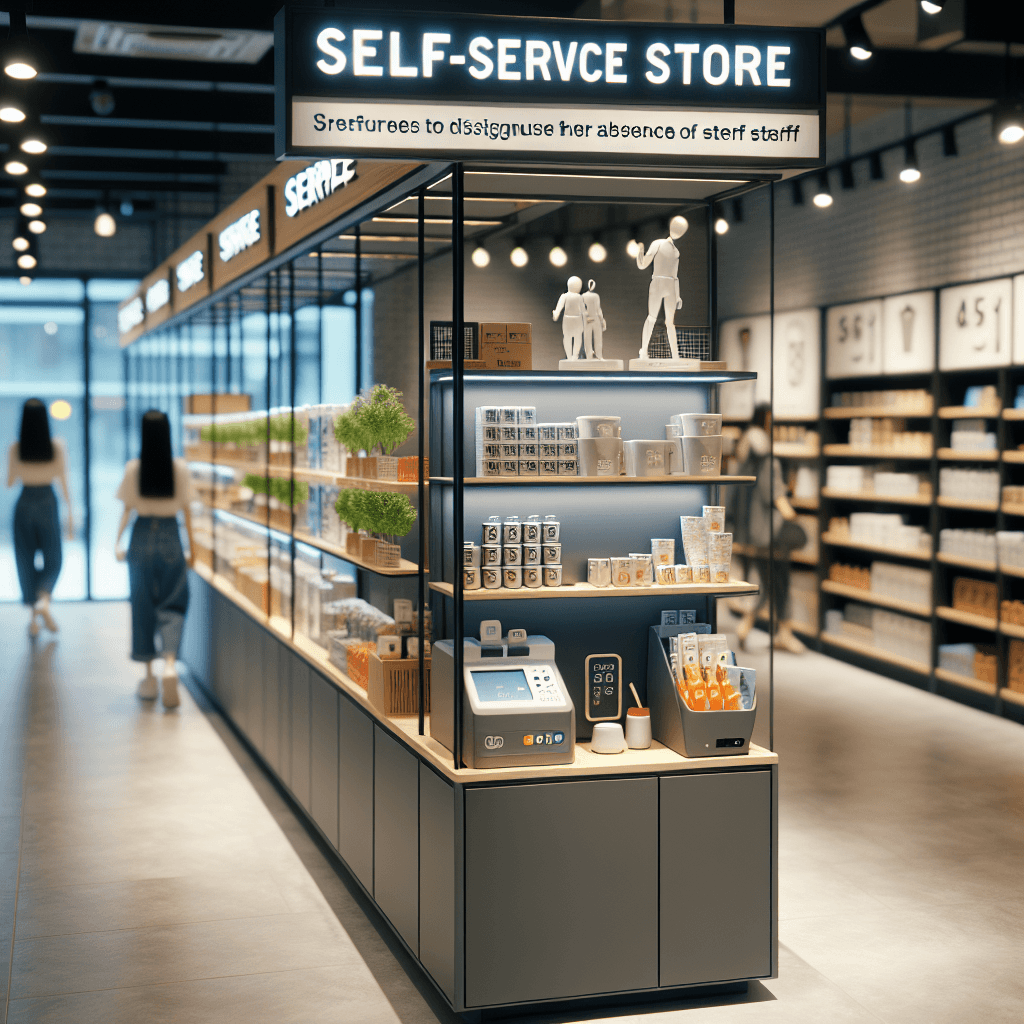
An employee-free (or unmanned) store lets customers enter, choose products and pay without dealing with a cashier. Staff may still restock shelves, handle problems or work remotely, but the shopping trip itself is self-service. Common formats include:
- Self-checkout stores: customers scan barcodes at a kiosk and pay by card, QR code or e-wallet.
- Scan-and-go apps: customers scan products with their phone while shopping and pay in the app.
- “Just walk out” stores: cameras and shelf sensors record what customers take and charge them automatically when they leave.
- Smart vending and micro-markets: small unattended points in offices, buildings or transit areas.
Why does an employee-free store need shopper research?
The format changes the shopping trip. Customers have to learn a new process, accept being recorded by cameras, link a payment method and solve problems without asking anyone. Some shoppers value speed and 24-hour access; others miss advice, worry about payment errors or simply prefer to talk to staff.
A store can be technically ready and still fail if the target shoppers do not see a clear benefit. Research helps a retailer decide where the format fits (offices, apartment buildings, transport hubs, campuses), which shopping missions it serves (quick top-up, snacks and drinks, late-night needs) and how much help customers still need.
What should you measure?
| Business question | What to measure | Method |
|---|---|---|
| Who would use the format? | Awareness, interest and intent to try by shopper group | Quantitative survey |
| Why do people hesitate? | Barriers: trust, privacy, payment worries, fear of mistakes | In-depth interviews, focus groups |
| Is the process easy? | Time to complete a trip, errors, points where shoppers get stuck | Observation, accompanied shopping, usability tests |
| Which missions does it serve? | Basket contents, trip frequency, time of day | Transaction data, shopper panel |
| Do shoppers come back? | Repeat visits, satisfaction, switching from nearby stores | Customer satisfaction survey, purchase data |
How can you research employee-free stores in Vietnam?
- Explore attitudes with qualitative research. In-depth interviews and focus groups reveal how shoppers feel about cameras, self-payment and the absence of staff, in their own words.
- Observe real trips. Accompanied shopping or observation in a pilot store shows where customers hesitate, make mistakes or ask for help.
- Measure intent with a survey. A quantitative survey sizes interest across age groups, income levels and neighbourhoods. Choose the right data collection method: an online survey reaches app users, while intercept interviews near pilot locations reach people who may never use the format.
- Test the concept and the process. Show the store concept with its real payment options and rules, then measure appeal and the main barriers before investing in more locations.
- Track behaviour after launch. Transaction data shows what sells in the store; a shopper panel such as i-Panel, where members record purchases by photographing receipts and scanning barcodes, shows how the new format fits into shoppers’ wider shopping across channels.
Which barriers should you look for?
- Trust and privacy: concern about cameras, facial recognition and how personal data is used.
- Payment: not having a linked card or e-wallet, or fear of being charged twice or wrongly.
- Help and service: no one to ask about products, prices or a broken machine.
- Product range: the assortment may be too narrow for the trip the shopper has in mind.
- Habit: many shoppers are used to nearby traditional stores and convenience stores with staff.
What are common mistakes?
- Asking only “would you use an unmanned store?”. General interest overstates use. Show the real process, payment options and rules.
- Researching only tech-savvy shoppers. Include the people who live or work near the location, not just early adopters.
- Measuring the first visit only. Novelty drives trial; the format depends on repeat visits.
- Ignoring operations. Shrinkage, restocking and technical problems affect the shopper experience and should be tracked alongside shopper feedback.
How do you act on the findings?
Use the research to pick locations and shopping missions where the format has a clear advantage, decide which payment methods to support, set the level of on-site or remote help, and adjust the assortment. Start with a limited pilot, compare actual behaviour with what shoppers said, and expand only where repeat use is proven.
FAQ
What is the difference between an employee-free store and self-checkout?
Self-checkout is one part of the trip: customers scan and pay by themselves in an otherwise staffed store. In an employee-free store, the whole trip is self-service and staff are not present at the point of sale.
How do you test whether shoppers will accept an unmanned store?
Combine qualitative interviews on attitudes and barriers, a concept test with the real process and payment options, observation in a pilot store, and purchase data to confirm repeat use.
Why are survey results on new store formats often too optimistic?
Respondents react to the idea, not to the real process with its payment steps and possible problems. Testing the actual experience and checking repeat behaviour after launch gives a more reliable picture.
Research your retail format
INTAGE Vietnam is a market research company in Vietnam and part of the INTAGE Group, Japan. We help retailers and brands understand shoppers with qualitative research, surveys, observation, mystery shopping and shopper panel data. See our market research services or contact us to plan a study.
Related reading


Latest posts
- Effective M&A (Mergers & Acquisitions) Opportunity Research
- Market Research: Building a Market Research Report for Investment Funds
 Survey Sample Size: How Many Respondents Are Enough?
 Survey Data Collection Methods in Vietnam: How to Choose
- Technology Adoption in Enterprises: How to Research Employee Behavior

