

Research insights
Payment Convenience and Consumer Behavior: What to Research

On this page
- What is payment convenience?
- How does payment convenience change consumer behaviour?
- What should you measure?
- How can you research payment behaviour in Vietnam?
- Why can survey answers about payment be misleading?
- What are common mistakes?
- How do you act on the findings?
- FAQ
- Research your customers’ payment behaviour
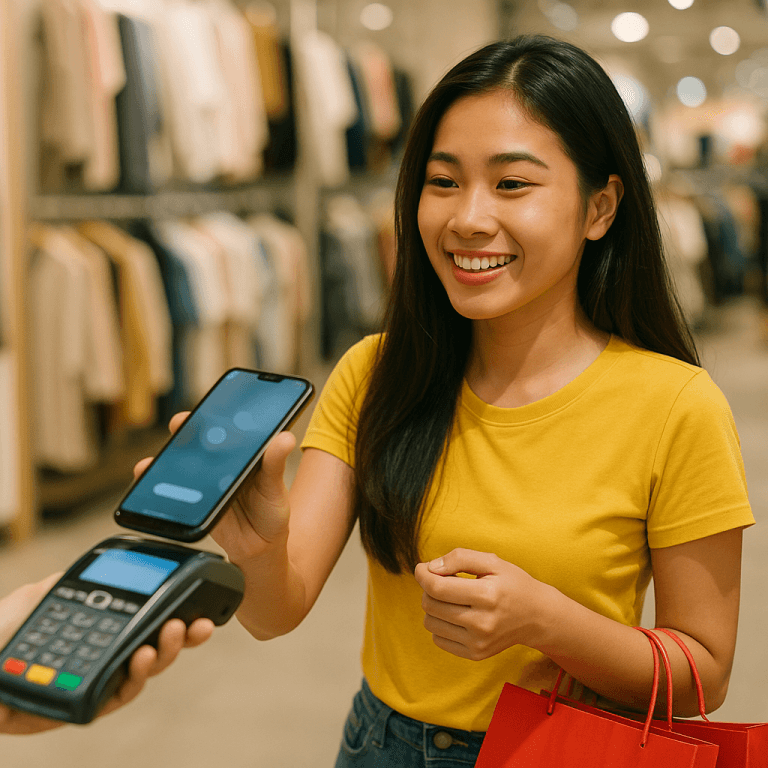
Payment convenience is how quickly, easily and safely a customer can pay, through cash, cards, e-wallets, QR codes, in-app payment or instalments. It affects consumer behaviour at several points: whether a shopper completes a purchase, which store or platform they choose and how often they come back. To know which payment options matter for your customers, measure their real payment habits and concerns rather than assume that newer is always better.
What is payment convenience?
Payment convenience covers every step between deciding to buy and finishing the transaction. It includes the payment methods a seller accepts, how many steps checkout takes, whether payment details can be saved, how fast the transaction is confirmed, and how easy it is to get a refund. A method that is convenient for one group can be a barrier for another: a shopper who prefers cash on delivery may abandon an order that requires prepayment.
Common payment options in retail and e-commerce include:
- Cash, including cash on delivery for online orders.
- Debit and credit cards, including contactless cards.
- E-wallets and QR code payments.
- One-click or saved payments inside shopping apps.
- Instalment and buy-now-pay-later options.
How does payment convenience change consumer behaviour?
- Checkout completion: Extra steps, failed transactions or a missing preferred method can cause shoppers to abandon a purchase.
- Channel and store choice: Shoppers tend to favour stores and platforms that accept the way they like to pay.
- Purchase frequency and basket size: Fast payment can make small, frequent purchases easier; instalments can make larger purchases feel affordable.
- Loyalty: Payment-linked rewards, vouchers and cashback can influence where people shop.
- Trust: Concerns about security, fraud, data privacy and refunds can stop people from using a method even when it is faster.
The size of each effect depends on the category, the channel and the shopper group. Research tells you which effects apply to your business.
What should you measure?
| Business question | What to measure | Method |
|---|---|---|
| How do our customers pay today? | Payment methods used by channel and category, main method, reasons for choice | Survey, shopper panel data |
| Where do shoppers drop out? | Abandonment points at checkout, failed payments, reasons given | Usability interviews, checkout analytics, survey |
| Which methods should we add? | Preference, intent to use, barriers by segment | Survey, concept test |
| What worries customers? | Concerns about security, fees, refunds and overspending | In-depth interviews, focus groups |
| Do payment promotions work? | Uptake, repeat purchase and spend after the promotion ends | Promotion tracking, purchase data |
How can you research payment behaviour in Vietnam?
- Start with qualitative research. In-depth interviews and focus groups show how people decide how to pay, what makes them trust a method and when they still prefer cash.
- Observe the checkout. Ask shoppers to complete a purchase on your website or app while they talk through each step. This reveals confusing screens and failed steps that a questionnaire would miss.
- Quantify with a survey. A survey measures payment habits, preferences and concerns across age, city and income groups. Use a sample that reflects your customers, because online-only samples tend to over-represent digital payment users.
- Check actual purchases. Transaction records and shopper panel data show what people really do, which can differ from what they say in a survey.
Why can survey answers about payment be misleading?
Respondents often report the method they think is modern or expected, and they may not remember small cash purchases. Questions about “intent to use” a new method also tend to overstate real uptake. To reduce this, ask about recent, specific purchases, separate channels (store, website, app, social commerce), and compare survey results with transaction or purchase data where possible.
What are common mistakes?
- Adding methods without asking customers. More options can clutter checkout without improving completion.
- Ignoring cash and cash on delivery. For some groups and categories these remain the preferred options.
- Measuring only sign-ups to a payment promotion. Track whether customers keep buying after the cashback or voucher ends.
- Overlooking concerns. Security, refund and overspending worries can block adoption even when a method is faster.
How do you act on the findings?
Use the results to decide which payment methods to offer in each channel, which checkout steps to remove, and how to communicate security and refund policies. Test changes on a small scale, compare completion and repeat purchase before and after, and keep the options your target customers actually use.
FAQ
Does payment convenience increase sales?
It can reduce abandoned purchases and make shoppers more willing to choose your store or platform, but the effect depends on your customers and category. Measure checkout completion and repeat purchase before and after a change.
How do you find out which payment methods customers prefer?
Combine a survey on recent purchases by channel with purchase or transaction data. Interviews add the reasons behind the choice, such as trust, speed or rewards.
Why do some customers still choose cash?
Common reasons include habit, control over spending, concerns about security or refunds, and wanting to check goods before paying. Qualitative research helps you understand which reasons apply to your customers.
Research your customers’ payment behaviour
INTAGE Vietnam is a market research company in Vietnam and part of the INTAGE Group, Japan. We help retailers and brands understand shopper behaviour with qualitative research, surveys and shopper panel data. See our market research services or contact us to plan a study.
Related reading

Latest posts
 Survey Sample Size: How Many Respondents Are Enough?
 Survey Data Collection Methods in Vietnam: How to Choose
- Technology Adoption in Enterprises: How to Research Employee Behavior
 How to Write a Market Research Brief for an Accurate Quote
 Beer in Vietnam: Why the 250ml Can Is Behaving Differently From 330ml

