
Research insights
Cloud Kitchen Model: Effectiveness and Challenges

On this page
What Is a Cloud Kitchen?
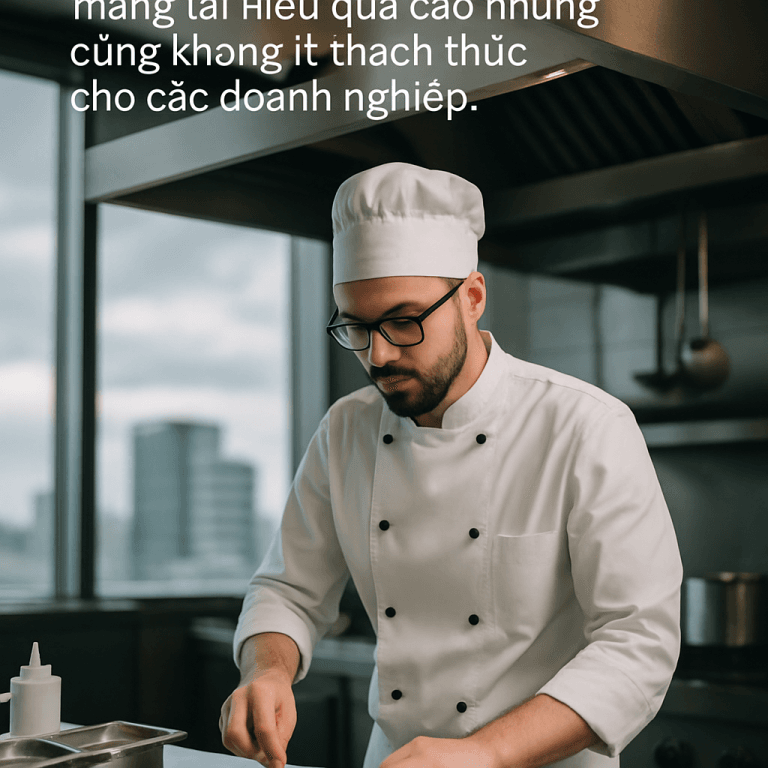
A cloud kitchen is a food business model without a traditional dine-in space, in which dishes are prepared and sold mainly through online delivery services. This model has grown strongly in recent years, especially as the COVID-19 pandemic changed customers’ consumption habits.
The rapid development of technology and growing demand for delivery services have made the cloud kitchen model an attractive choice for businesses in the F&B industry. Because no dine-in space is needed and management costs are lower, many brands have quickly adapted and put this model into operation.
The Effectiveness of the Cloud Kitchen Model in the Food Business
The cloud kitchen model brings significant benefits to food businesses:
- Lower operating and premises costs: Without the need to maintain a dining space, businesses can save a large amount on rent and the equipment a restaurant requires.
- Greater scalability and management flexibility: Businesses can easily scale up by setting up kitchens in different areas without major premises barriers.
- Better customer experience through fast delivery: This model lets customers order and receive food at home, meeting consumers’ rising expectations for speed and service quality.
Challenges of Implementing the Cloud Kitchen Model
Despite its many advantages, the cloud kitchen model also faces quite a few challenges:
- Product quality control: Without a physical restaurant, ensuring food quality during delivery becomes more difficult than ever.
- Marketing strategy and brand building: Building a brand in the cloud kitchen model requires creativity and an effective marketing strategy to attract customers.
- Logistics and delivery difficulties: Businesses need a strong logistics system to ensure that food reaches customers on time and in the best condition.
Development Trends and Optimal Solutions for Cloud Kitchens
To overcome these challenges and grow sustainably, businesses need to:
- Apply technology to management and operations: Use order management software and product quality tracking systems to improve operational efficiency.
- Partner with online food delivery platforms: These partnerships can help expand the customer base and optimize the delivery process.
- Address the challenges directly: Provide quality training for staff, improve food preparation processes, and strengthen communication with customers to receive timely feedback.
Conclusion: The Future Potential of the Cloud Kitchen Model
The cloud kitchen model is gradually proving its potential in the F&B industry. Looking at the effectiveness and challenges it brings, it is clear that this is not just a trend but an optimal solution for many businesses.
Understanding the factors that drive success in this model will help F&B businesses build suitable strategies and seize future opportunities.
Contact us today for a consultation!
—
INTAGE Vietnam: Comprehensive and effective market research solutions for businesses.
📞 (+8428) 3820 5558
🌐 https://intage.com.vn/
🏢 45 Vo Thi Sau, Tan Dinh Ward, Ho Chi Minh City, Vietnam
Related reading
Latest posts
- Effective M&A (Mergers & Acquisitions) Opportunity Research
- Market Research: Building a Market Research Report for Investment Funds
 Survey Sample Size: How Many Respondents Are Enough?
 Survey Data Collection Methods in Vietnam: How to Choose
- Technology Adoption in Enterprises: How to Research Employee Behavior

