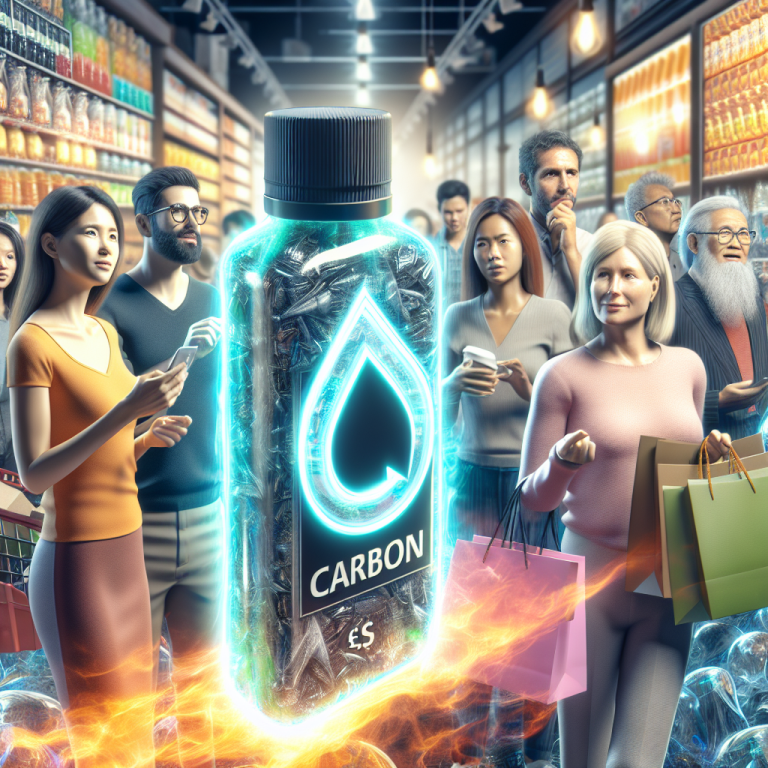
Carbon Footprint of Products and Willingness to Pay More for Carbon Neutral Products
Carbon Footprint of Products
The carbon footprint of a product is defined as the total amount of greenhouse gases (GHG) emitted by products throughout their lifecycle. This concept is not limited to the production process but also encompasses transportation, consumption, and disposal stages. Understanding the carbon footprint helps consumers realize the environmental impact of the products they choose, and therefore enables them to make smarter purchasing decisions.
The role of the carbon footprint in consumer products is becoming increasingly important as consumers gradually shift towards more sustainable options. Products with low carbon footprints are often viewed as environmentally friendly, helping to alleviate pressure on the living environment and encouraging sustainable development.
The Concept of Green Premium and Its Significance in Sustainable Consumption
Green Premium can be understood as the additional amount of money that customers are willing to pay for products that are produced or consumed sustainably. In reality, many environmentally friendly products often have higher prices due to increased production costs and the challenges in ensuring sustainable raw material sources.
Why do customers have to pay extra for environmentally friendly products? It is because they are not just buying a product, but also being a part of a green lifestyle that contributes to environmental protection. Customers are becoming more aware of the importance of reducing carbon emissions, thus they are willing to pay more when they see long-term benefits for health, community, and the environment.
Willingness to Pay More for Carbon Neutral Products
The willingness to pay more (WTP) of customers for carbon-neutral products depends on various factors, including income, education level, environmental awareness, and past personal experiences with green products.
Factors influencing WTP include:
– Positive attitudes towards environmental protection.
– Customers’ financial capacity.
– Trust in the brand and product quality.
Analysis of consumer psychology and behavior when purchasing green products shows that many consumers are willing to spend extra money if they believe the product truly contributes to reducing the carbon footprint; they also wish to affirm their identity through their consumption choices.
Current Situation and Market Trends for Carbon Neutral Products
The current situation of carbon-neutral products on the market shows a significant increase in the number of products and brands offering these items. Many companies have set goals to minimize or neutralize carbon emissions during the production and transportation of their products.
The growth of environmentally friendly products and Green Premium is strong, especially as consumers become increasingly aware of environmental issues. Studies indicate that high standard product quality and sustainability will be crucial factors in driving sales.
Methods for Measuring Carbon Footprint and Green Premium in Products
Common tools and techniques for measuring carbon footprint include energy balance methods, greenhouse gas inventories, and carbon footprint calculation software. Using these tools helps businesses accurately identify the emissions generated by their products, allowing them to implement more effective mitigation measures.
Estimating customers’ willingness to pay more can be conducted through consumer surveys, interviews, and market analysis. It will be necessary to identify the factors that customers consider most important when choosing sustainable products.
Marketing Strategies and Brand Building Based on Green Premium
How businesses leverage the carbon footprint to enhance product value is not just through promoting sustainability. They need to create an engaging brand story through which customers can perceive the value of the product they are purchasing.
Successful examples from brands with carbon-neutral products like Patagonia and Tesla show that when they successfully combine high brand value with a commitment to environmental protection, it helps them grow strong and build customer loyalty.
Challenges and Opportunities in Developing Carbon Neutral Products and Increasing Customers’ Willingness to Pay
Many barriers still exist in the process of developing carbon-neutral products, including high production costs, lack of government support, and consumer awareness barriers. However, opportunities for sustainable development and potential markets are also opening up due to the increasing demand for green products.
Conclusion: The Impact of Carbon Footprint on Purchasing Decisions and Future Green Premium Trends
The carbon footprint of products has a profound impact on customers’ purchasing decisions. Consumers’ thoughts are shifting from one-dimensional product selection to incorporating more green and sustainable factors. In the future, Green Premium is expected to continue to rise as consumers become increasingly aware of the true value of carbon-neutral products. This will create incentives for businesses to improve and develop green products, meeting market demand while contributing to environmental protection.
Contact us today for tailored consultation!
Intage Vietnam: Your trusted partner for comprehensive and effective market research solutions.
📞 (+8428) 3820 5558
🌐 https://intage.com.vn/
🏢 45 Vo Thi Sau, Da Kao Ward, District 1, Ho Chi Minh City, Vietnam