
Recycled Goods Consumption Behavior: A Comprehensive Analysis and Latest Trends
I. Introduction:
Recycled goods consumption behavior is becoming increasingly important in the modern context where environmental protection awareness and climate change issues are being emphasized. The recycled goods industry is not just a business opportunity but also an important part of our efforts to protect our planet. Studying consumption behavior in this industry will help businesses better understand market needs and develop suitable products.
II. Overview of the recycled goods market:
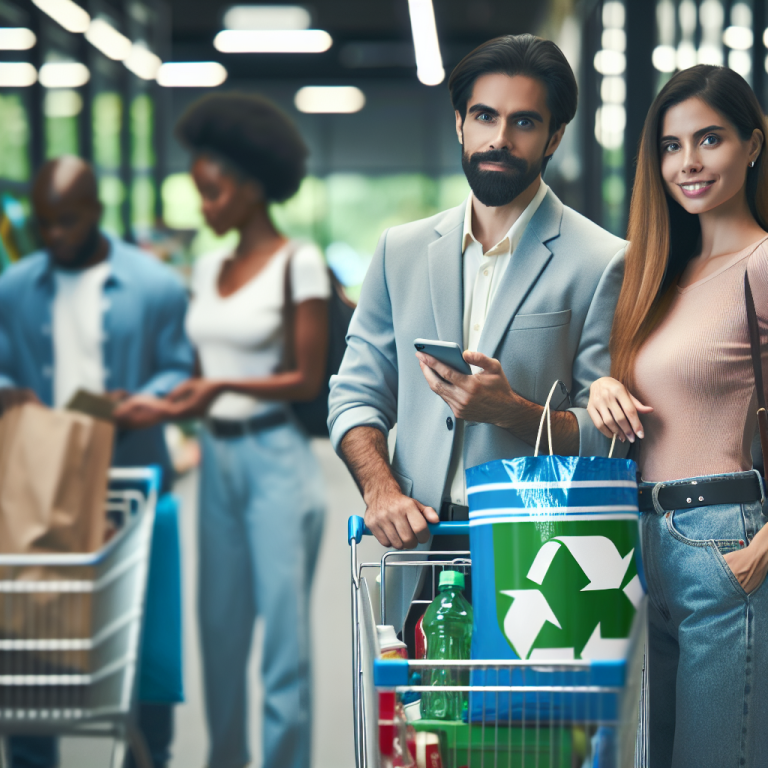
The recycled goods market has seen significant size and growth rate in recent years. Many products such as water bottles, bags, household goods, and children’s toys have been made from recycled materials. Distribution channels are becoming more diverse with the development of e-commerce and specialized stores.
III. Analysis of recycled goods consumption behavior:
Driving factors:
- Environmental protection awareness: Consumers are becoming more aware of their responsibility towards protecting the earth, which drives them to purchase recycled goods.
- Cost savings: Recycled products are often more competitively priced compared to new products, helping consumers save costs.
- Unique, creative products: Many recycled products feature unique and creative designs that attract consumers.
- Influence from friends, family, and community: Social consumption trends have a significant impact on individual purchasing decisions.
Factors influencing purchasing decisions:
- Price: Consumers always weigh value against cost when purchasing products.
- Product quality: The quality of recycled products needs to be ensured to build consumer trust.
- Style, design: Even recycled products must meet consumer tastes in terms of style and design.
- Reputable brands: Brands that have established a reputation in recycled goods manufacturing will attract customers more easily.
- Clear, transparent product information: Consumers need to know the origin and production process of recycled goods.
- Product certification: Eco-labels and other certifications will further build consumer trust.
Buying habits:
- Purchase frequency: Consumers who regularly buy recycled goods tend to seek out new products.
- Purchase location: Purchases can be made at specialized stores or through online channels.
- Purchasing channels: The growth of e-commerce has created convenient shopping channels for consumers.
- Buying times: Consumers might have a habit of purchasing during holidays or special events.
Barriers:
- Prejudice regarding the quality of recycled products: Some consumers still hold the notion that recycled products do not ensure quality.
- Lack of information: Consumers may not know much about recycled products.
- Non-competitive prices: If the prices of recycled products are higher than traditional products, consumers may refuse to choose them.
- Hard to find: Sometimes recycled products are not widely distributed.
Customer segmentation:
- Demographics: Recycled goods buyers can belong to various age groups and income levels.
- Psychology: The values and lifestyles of consumers often determine their choice of recycled goods.
- Behavior: Purchase frequency and distribution channels they use also reflect their consumption habits.
IV. Trends in recycled goods consumption:
More and more consumers are interested in sustainable consumption solutions. Green consumption is becoming a significant movement supported by organizations and local communities. Technology also plays a vital role in the production and distribution of recycled goods, helping to improve efficiency and reduce costs. Changes in consumer awareness drive the growth of this market.
V. Solutions and recommendations:
For businesses:
- Enhance product quality: Ensure that recycled products meet the highest possible quality standards.
- Diversify styles and designs: Create unique products that meet market demands.
- Build a reputable brand: Brands need to be built on quality and trust.
- Effective communication: Provide clear information about the benefits of products to attract customers.
- Improve distribution channels: Apply multiple distribution channels so products can reach more customers.
For the government:
- Develop supportive policies: There need to be regulations and policies supporting the production and consumption of recycled goods.
- Enhance education: It is necessary to provide information and raise community awareness about the benefits of sustainable consumption.
- Quality control: The government needs to establish quality standards for recycled products.
For consumers:
- Research information: Consumers should thoroughly investigate recycled products to make informed decisions.
- Support reputable businesses: Choose to buy from reliable manufacturers.
- Recycle and reuse: It is essential to enhance environmental protection awareness through recycling and reusing in daily life.
VI. Conclusion:
Recycled goods consumption behavior is a prominent trend in the current market. It not only benefits the environment but also opens up many opportunities for businesses. There needs to be a consensus among stakeholders to effectively and sustainably promote the consumption of recycled goods.
Contact us today for tailored consultation!
Intage Vietnam: Your trusted partner for comprehensive and effective market research solutions.
📞 (+8428) 3820 5558
🌐 https://intage.com.vn/
🏢 45 Vo Thi Sau, Da Kao Ward, District 1, Ho Chi Minh City, Vietnam