
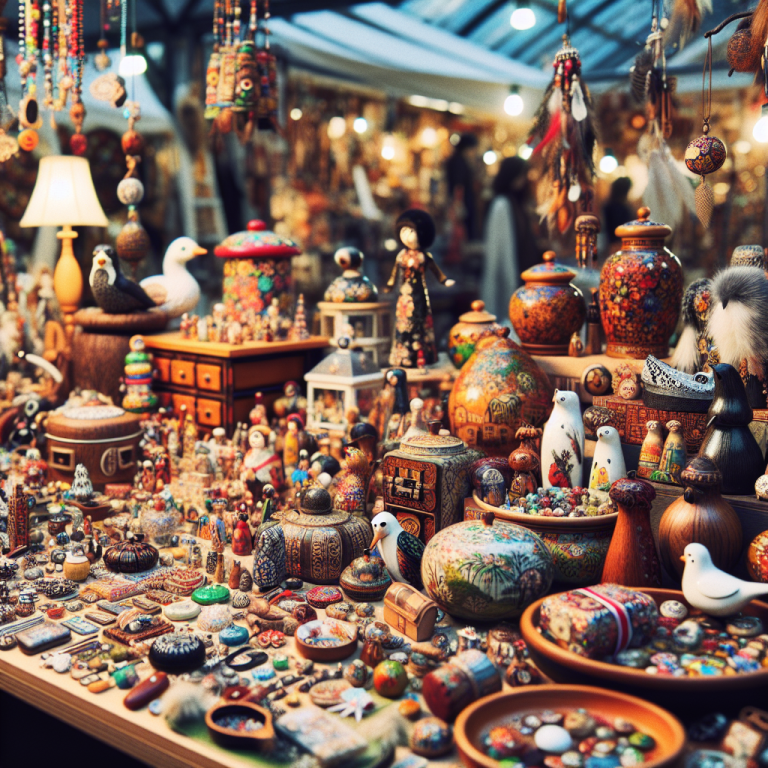
Consumer Behavior of Handicraft Items: Market Overview and Development Potential
The consumer behavior of handicraft items plays a crucial role in promoting the development of this industry. When it comes to handicraft items, this is a diverse field, ranging from traditional products to modern products designed creatively. According to recent studies, the handicraft market is on a strong growth trajectory, reflecting changes in consumer demand.
Decoding Consumer Behavior of Handicraft Items: Motivations and Influencing Factors
Regarding shopping motivations, consumers are not only looking for aesthetically pleasing products but also for deeper values that the products bring.
What are the motivations for buying handicrafts?
- Cultural and traditional values: Many consumers tend to choose handicraft products to support the cultural and traditional values of their homeland.
- Uniqueness and personalization: Handicraft products often have a unique quality, making them more special compared to industrial products.
- Support for artisans, community development: Consumers are increasingly interested in supporting artisans and contributing to community development!
- Concern for sustainable, environmentally friendly products: The current trend is to look for products that are naturally sourced, biodegradable, and environmentally friendly.
Factors influencing purchasing decisions
- Personal factors: Age, gender, income, and consumer lifestyles have a significant impact on purchasing decisions.
- Psychological factors: Awareness, motivations, and attitudes towards products also affect consumer choices.
- Social factors: Culture, family, friends, and celebrities can greatly influence the decision to purchase handicrafts.
- Marketing factors: Advertising strategies, distribution methods, and pricing policies are critical factors that help drive sales.
Target Customer Segmentation for Handicrafts: The Ideal Consumer Profile
Customer segmentation plays a crucial role in developing effective marketing strategies.
Customer segments engaging with handicrafts can be divided based on:
- Demographic characteristics: Analyzing age, gender, and income helps identify key customer groups.
- Shopping behavior: Considering purchase frequency, shopping channels, and customer loyalty.
- Preferences and values: Studying personal preferences and the values prioritized by customers.
Trends in Consumer Behavior for Handicrafts: The Big Picture and Future Forecasts
Consumer trends in the handicraft industry are developing at an astonishing pace.
Sustainable, responsible consumer behavior
Today, consumers are more aware of environmental and social issues, and they tend to seek sustainable products.
The rise of local handicraft products
Consumers are supporting products made by local artisans more than ever.
Application of technology in the handicraft shopping experience
E-commerce is becoming an effective channel for showcasing and distributing handicraft products. New technologies like virtual reality are also being applied to enhance the customer experience.
Marketing Handicrafts: Approaching Target Customers and Building Brands
Marketing strategies are key factors that help businesses reach and retain customers.
Using social media to promote handicraft products
Social media is not only a communication channel but also a powerful tool in increasing brand awareness.
Building a unique and engaging brand story
A brand story creates emotions and connects with customers.
Optimizing online and offline shopping experiences
Providing a seamless and smooth shopping experience attracts customers back.
Effective Strategies for Selling Handicrafts: Increasing Sales and Maintaining Loyalty
Effective selling strategies are key to sustainable growth.
Reasonably pricing handicraft products
Prices must align with the product’s value and consumer psychology.
Attractive promotional and after-sales policies
Smart promotional programs help stimulate demand and build trust among customers.
Building relationships with customers
Ensuring customer satisfaction to build long-term loyalty.
Case Studies: Lessons from Successes and Failures in the Handicraft Industry
Analyzing case studies helps draw lessons from both successes and failures.
Case studies can help us better identify the necessity of creativity, market research, and the ability to quickly adapt to consumer trends.
Summary of Consumer Behavior of Handicraft Items: Opportunities and Challenges for Businesses
Finally, the article summarizes key points and challenges that businesses in the handicraft industry may face. It offers recommendations for sustainable growth and success in the future. Businesses need to focus on understanding consumer behavior, continuously innovate, and build their brand’s recognition among consumers.
Contact us today for tailored consultation!
Intage Vietnam: Your trusted partner for comprehensive and effective market research solutions.
📞 (+8428) 3820 5558
🌐 https://intage.com.vn/
🏢 45 Vo Thi Sau, Da Kao Ward, District 1, Ho Chi Minh City, Vietnam